 By esportsstream74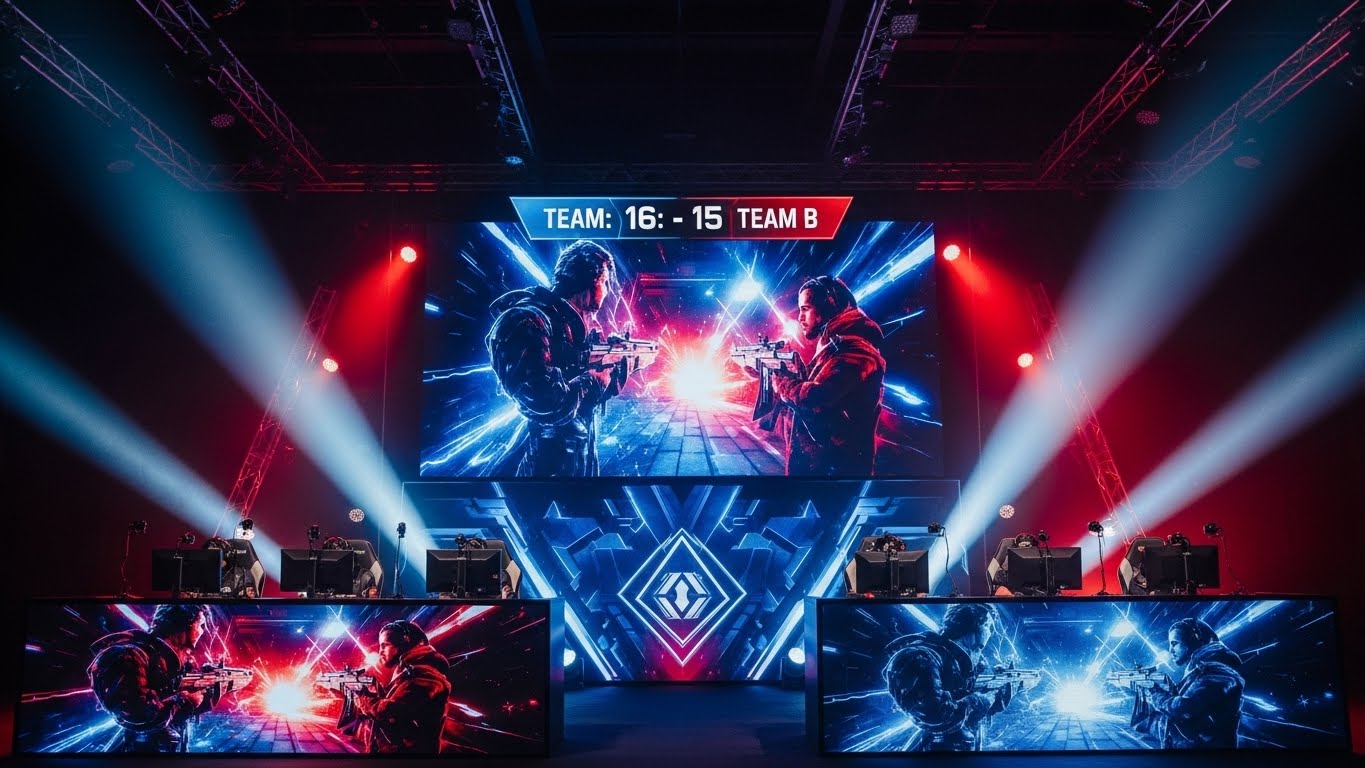
Introduction: The Birth of a New Competitive Era
Esports, once a niche subculture tucked away in internet cafés and basement LAN parties, has emerged as one of the most influential entertainment industries of the modern world. What was once a hobby for dedicated gamers has transformed into a global phenomenon, boasting professional players, massive tournaments, dedicated fan bases, and an ever-expanding digital ecosystem. As technology continues to evolve, esports is shaping not only the future of gaming but the very foundations of how people consume competition and entertainment. This blog explores the growth, influence, challenges, and future potential of esports as it continues to rise beyond the screen.
The Evolution of Competitive Gaming
Competitive gaming did not start with global tournaments and million-dollar prize pools. Its roots trace back to small contests involving arcade machines and the earliest home computers. In the 1990s and early 2000s, multiplayer games such as first-person shooters and real-time strategy titles sparked communities that thrived on friendly rivalry. With the introduction of high-speed internet, online multiplayer surged, enabling players across the world to compete instantly. This digital revolution laid the foundation for structured competitions, leagues, and eventually, the professional esports scene we recognize today.
Professional Esports: From Hobby to Career
One of the biggest shifts in recent years has been the legitimization of esports as a viable career path. Professional gamers now train with the same intensity as traditional athletes, practicing hours a day, studying game strategies, and working with coaches, analysts, and nutritionists. The rise of dedicated esports organizations has amplified this professionalism, offering players salaries, housing, training facilities, and long-term contracts. For many young gamers, esports is no longer an unreachable dream but a tangible profession that blends passion with opportunity.
Major Esports Titles and Their Impact
A few standout games have played crucial roles in elevating esports into mainstream global culture. Titles like tactical shooters, battle arenas, and team-based strategy games have built enormous competitive ecosystems. Each of these games introduces its own style, rules, and fan culture. What makes them particularly influential is their capacity to attract players of all skill levels. From amateurs running casual games with friends to elite professionals battling on world stages, these games create a shared experience that binds communities together. Their developers continuously support the esports scene with frequent updates, seasonal events, and polished tournament structures, ensuring the excitement never dwindles.
The Role of Tournaments and Live Events
Esports tournaments have evolved into massive spectacles, rivaling traditional sports in scale and production quality. These events draw millions of viewers online and pack stadiums with roaring fans. Lights, sound, commentary, and fan engagement all come together to create an atmosphere filled with intensity and celebration. Grand championships, in particular, provide unforgettable moments where players showcase skill, strategy, and mental resilience. The energy of these events demonstrates that esports is far more than just watching people play video games; it is a shared cultural experience that brings diverse audiences together.
Streaming Platforms and Community Growth
The rise of streaming platforms has played a major role in popularizing esports. Millions of fans tune in daily to watch their favorite players, teams, and content creators. Streaming has blurred the boundaries between professional competition and entertainment. It allows fans to interact directly with players, learn new techniques, and feel part of a wider community. This level of access and engagement is one of esports’ strongest advantages over traditional sports. It allows for organic relationship-building between players and their audiences, fostering loyalty that extends far beyond tournaments.
Cultural Influence and Global Reach
Esports has transcended borders, age groups, and cultural backgrounds. It appeals to young audiences who grew up with technology and appreciate the fast, engaging nature of the games. However, its reach is not limited to youth. With its growing legitimacy, esports now attracts professionals, families, educators, and even traditional sports organizations. Many universities have established varsity esports teams, offering scholarships to skilled players. This global acceptance highlights how esports serves as a universal language that connects people through competition, collaboration, and shared interests.
The Business Behind Esports
The esports industry has matured into a powerful economic force. Revenue flows from sponsorships, merchandise, advertisements, media rights, game publishers, and massive live events. Companies across technology, energy drinks, telecommunications, and apparel have eagerly invested in teams and tournaments. The growing infrastructure has led to job creation beyond professional gaming, including roles in management, marketing, event production, coaching, and broadcasting. Esports is no longer simply entertainment; it is an industry shaping careers and opportunities for thousands worldwide.
Challenges Facing the Esports Industry
Despite its impressive growth, esports faces several challenges that need to be addressed for long-term sustainability. Player burnout is a significant concern as players often train extensive hours, leading to physical and mental fatigue. The industry also grapples with maintaining healthy competitive environments, preventing cheating, and ensuring fair play. Another challenge lies in standardizing regulations across different games, tournaments, and regions. As esports continues to expand, establishing consistent and transparent structures becomes increasingly important. Addressing these issues will help preserve the integrity of competitions and protect the well-being of those involved.
The Future of Esports and Technological Innovation
Emerging technologies such as virtual reality, augmented reality, and advanced AI analytics are set to revolutionize the future of esports. Virtual competitions may one day blend physical movement with digital engagement, creating immersive experiences that go beyond traditional gameplay. AI-powered analytics will provide deeper insights for coaches, players, and fans, helping refine strategies and enhance performance. Additionally, wider internet accessibility will allow more players from developing regions to join global competitions. The future of esports points toward even greater inclusivity, innovation, and growth, making it one of the most exciting industries to watch.
Esports as a Social and Educational Tool
Beyond entertainment, esports is proving to be a powerful tool for education and community development. Many organizations use gaming as a way to teach teamwork, problem-solving, communication, and strategic thinking. Schools and universities increasingly recognize esports as a legitimate extracurricular activity that helps students build confidence and connect with peers. Community centers and youth programs have also embraced gaming to create safe, inclusive spaces for young people to learn and socialize. Esports has the unique capability to bridge social gaps and create opportunities for empowerment and personal growth.
Conclusion: A Movement That Transformed Modern Entertainment
Esports is more than a trend; it is a cultural movement that has reshaped how people view competition, entertainment, and digital interaction. What began as small gatherings of passionate gamers has evolved into a global industry filled with innovation, opportunity, and excitement. Its influence continues to grow as technology progresses, drawing in new fans and participants every year. As esports pushes beyond the screen and further into the mainstream, its impact on culture, education, business, and entertainment becomes undeniable. The world of competitive gaming has only just begun to show its potential, and its future promises even more groundbreaking achievements.