 By esportsstream74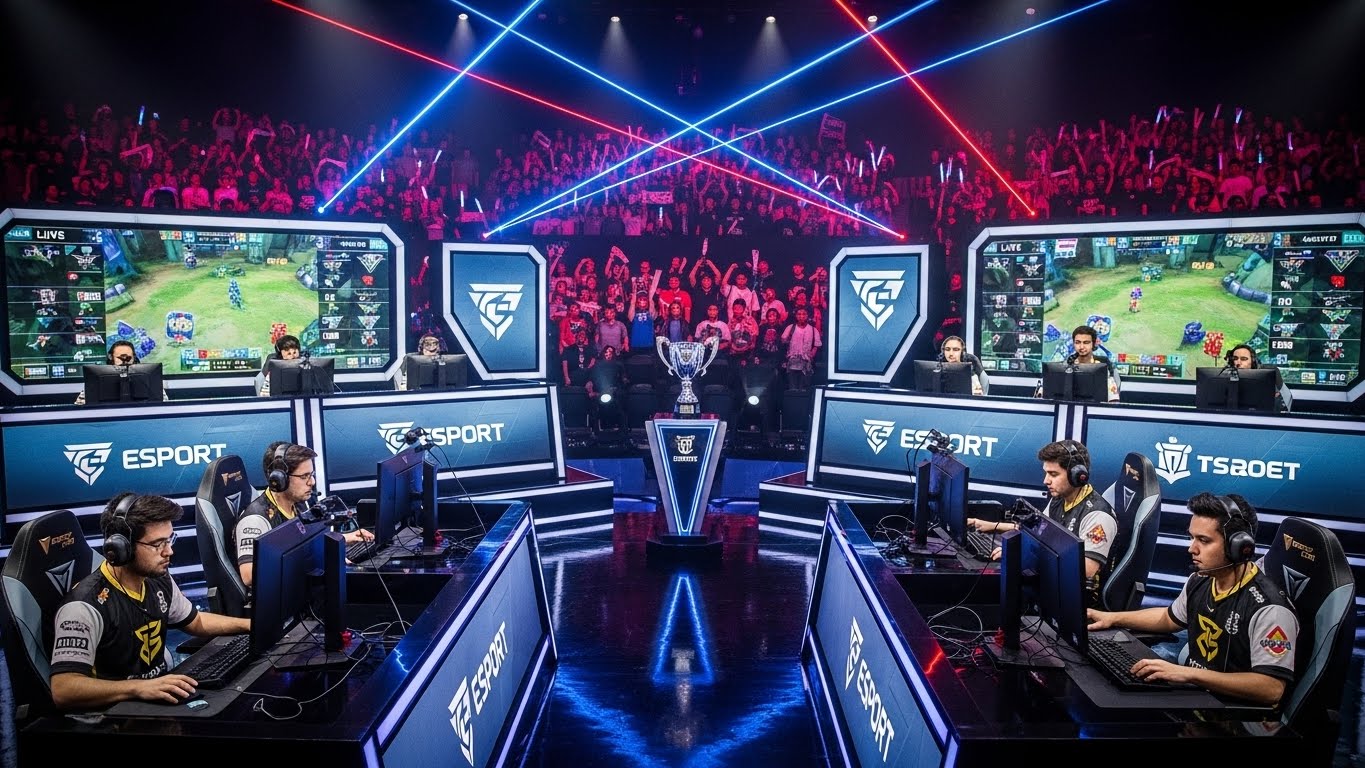
Introduction: The Digital Arena That Redefined Competition
Esports has rapidly transformed from casual gaming sessions among friends into a global competitive phenomenon that fills stadiums, attracts multimillion-dollar sponsorships, and cultivates dedicated professional athletes. What was once seen as a pure form of entertainment has evolved into a prestigious ecosystem of tournaments, teams, analysts, coaches, and production studios. In today’s world, esports is no longer a niche interest; it is a recognized sporting category with its own culture, heroes, and global impact. This blog takes you into the dynamic world of esports, exploring its rise, influence, and the factors shaping its future.
The Evolution of Competitive Gaming
The roots of esports can be traced back to the earliest arcade competitions where players battled for high scores on machines like Space Invaders and Pac-Man. As technology advanced, so did the structure of competitive gaming. Local area network tournaments in the 1990s opened the door to more organized matches, and the introduction of broadband internet revolutionized the way players competed. Online multiplayer titles like StarCraft, Counter-Strike, and Warcraft shaped the first generation of dedicated esports athletes. These games created communities that bonded over strategy, teamwork, and skill, laying the foundation for professional leagues and world championships.
The Games That Built the Esports Empire
While countless titles have contributed to esports culture, a handful of games have played a pivotal role in pushing it into the global spotlight. Multiplayer online battle arena games like League of Legends and Dota introduced enormous international tournaments with massive prize pools. First-person shooters such as Counter-Strike Global Offensive and Overwatch demonstrated that precision, reaction time, and teamwork can rival traditional sports in terms of intensity and skill. Battle royale games like Fortnite brought younger audiences into the competitive space, showcasing vibrant gameplay while offering high-stakes competitions. These games did not just entertain; they became cultural landmarks, shaping how fans consumed gaming content and supported their favorite teams.
The Rise of the Professional Esports Athlete
Gone are the days when gamers were seen as isolated individuals playing for leisure. Today’s esports professionals train like athletes, dedicating hours daily to mastering game mechanics, developing quick reflexes, and refining teamwork. Their routines include physical fitness, mental conditioning, strategy meetings, and scrimmages against top-tier teams. Many esports organizations provide housing, nutritionists, and psychologists to help players maintain peak performance. Professional gaming demands discipline, focus, and resilience, as the competitive landscape constantly evolves and players must adapt to new strategies, updates, and opponents.
The Role of Esports Organizations and Brands
Professional esports is supported by organizations that function similarly to traditional sports teams. These organizations recruit talent, manage training schedules, negotiate sponsorships, and engage with fans. They are responsible for shaping the identity and culture of esports teams. Brands from diverse industries, including technology, energy drinks, fashion, and even automotive companies, have recognized the massive potential of esports audiences. Through sponsorships and partnerships, these brands contribute to the financial backbone of the esports ecosystem while tapping into a passionate and global fan base.
Broadcasting and the Spectator Experience
One of the key reasons esports exploded in popularity is the accessibility of digital broadcasting platforms. Fans can watch tournaments live from anywhere in the world, interacting with other viewers through chat features and social media. Commentators, analysts, and content creators have become influential figures who elevate the viewing experience by offering insights, strategies, and entertainment. Production quality has reached cinematic levels, with high-definition streams, engaging graphics, and captivating storytelling that rivals major sports broadcasts. This seamless blend of technology and community has turned esports events into global spectacles.
The Economic Impact of Esports
Esports has developed into a powerful economic industry. Prize pools for leading tournaments reach into the tens of millions, while sponsorships and advertising deals continue to grow each year. Cities around the world invest in esports arenas, gaming hubs, and events to attract tourism and create new job opportunities. Production crews, coaches, event planners, marketers, and analysts all play crucial roles in shaping the industry’s success. As esports continues to expand, its impact on global markets and employment opportunities also increases, making it a significant contributor to the modern digital economy.
The Cultural Influence of Esports
Esports not only entertains but also shapes modern youth culture. It has become a platform where players from different backgrounds and countries come together, forming communities that transcend geographical boundaries. Gamers create content, share strategies, and build friendships online, fostering a sense of belonging. Esports has also influenced fashion, music, and entertainment, with celebrities and athletes collaborating with gaming icons. The rise of gaming personalities has blurred the lines between esports stars and mainstream celebrities, further elevating gaming culture into everyday life.
Challenges Facing the Esports Industry
Despite its rapid growth, esports faces challenges that it must continue to address. Player burnout is a significant concern due to intense training schedules and constant competition. The industry must prioritize player welfare, introducing guidelines and support systems to promote healthy careers. There are also challenges involving game longevity, as some esports titles lose popularity when new games emerge. Additionally, maintaining fair competition requires constant vigilance against cheating, match-fixing, and security breaches. These challenges highlight the need for continued investment in infrastructure, regulation, and support systems.
The Future of Esports and Emerging Technologies
As technology continues to advance, so will the possibilities within esports. Virtual reality and augmented reality may soon introduce new competitive genres that push physical and cognitive limits. Artificial intelligence could revolutionize training and analysis by offering personalized insights for players. Mobile esports is also expanding rapidly, especially in regions with growing smartphone adoption. Furthermore, the inclusion of esports in global events and educational institutions signals that competitive gaming is gaining formal recognition. As the industry evolves, it will continue to shape new opportunities for players, creators, and fans.
Why Esports Matters in the Modern World
Esports is more than entertainment. It is a reflection of our increasingly digital society, where technology, creativity, and community converge. It offers career opportunities, inspires innovation, and promotes global connectivity. For young people who dream of turning their passion for gaming into a profession, esports represents a pathway filled with possibilities. It bridges cultures, motivates teamwork, and celebrates skill in ways that resonate with the digital generation.
Conclusion: A New Era of Competitive Greatness
The rise of esports marks a shift in how society views competition, entertainment, and digital culture. It has evolved from simple arcade contests to a global powerhouse that shapes the aspirations of millions. As technology advances and opportunities expand, esports will continue inspiring new generations of players and fans. It stands as a testament to how human creativity, passion, and innovation can transform an activity into a worldwide movement. The digital arena is newer than traditional sports fields, but its potential is limitless, and its influence continues to grow with every match, tournament, and victory.