 By esportsstream74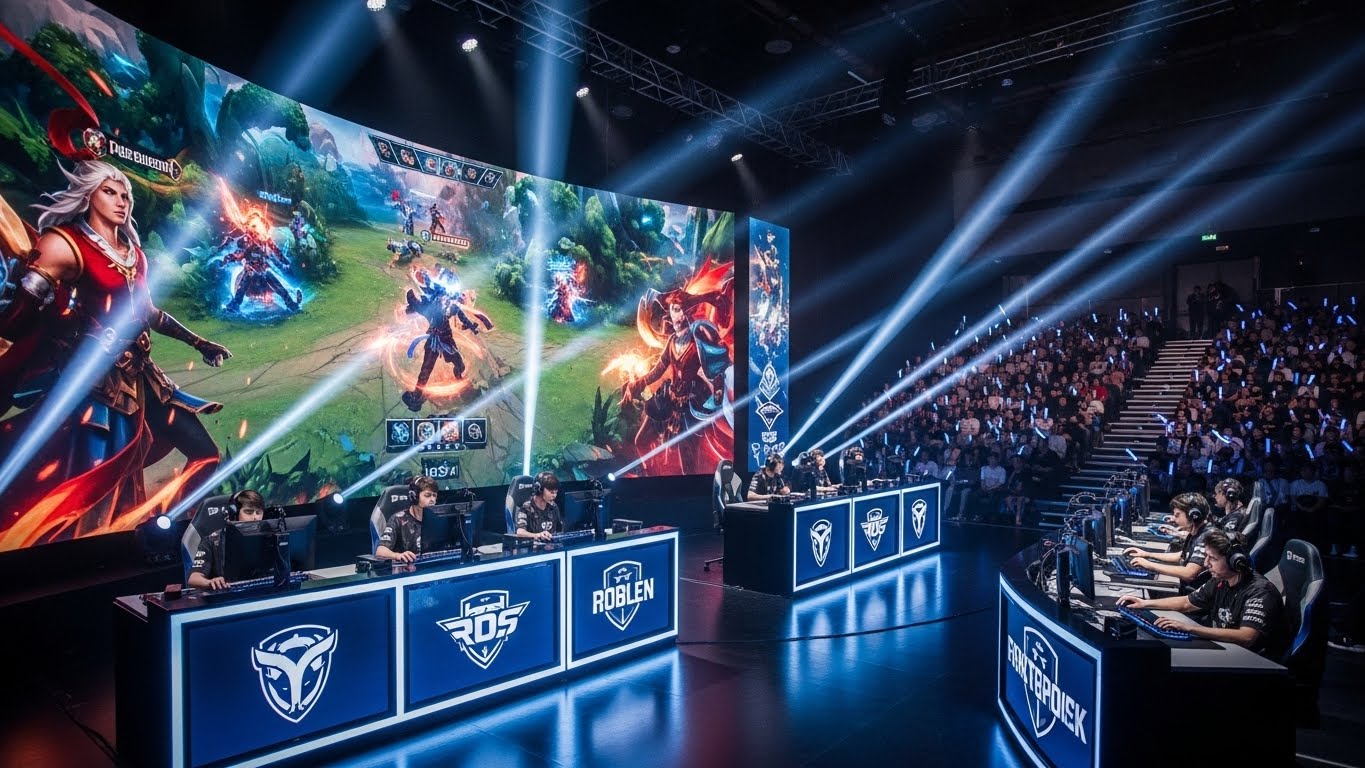
In recent years, esports has transcended from a niche hobby to a global phenomenon. What started as informal competitions between friends has blossomed into a multi-billion-dollar industry, complete with professional leagues, massive sponsorships, and millions of fans tuning in to watch the action unfold. But how did esports evolve into this powerful cultural force? This blog post explores the growth of esports, the key drivers behind its success, and what the future holds for the industry.
The Birth of Competitive Gaming
Esports, as we know it today, traces its roots back to the early days of gaming, when competitions were small, local, and primarily focused on fun rather than profit. One of the first recorded instances of a gaming competition took place in 1972 at Stanford University, where students competed in a Spacewar tournament. Although this was a one-time event with no significant prize money, it marked the beginning of competitive gaming.
Early Competitions: LAN Parties and Community Events
In the 1990s and early 2000s, as personal computers became more accessible and internet speeds improved, gaming competitions began to take a more structured form. The concept of LAN (Local Area Network) parties became a common way for gamers to compete with each other. Gamers would bring their computers or consoles together to a central location, often a friend’s house or a rented venue, to play games like Quake, StarCraft, and Warcraft III in person.
These early LAN events were often informal, but they laid the foundation for the growth of esports by fostering strong communities of players. As the internet became faster and more widespread, online gaming began to take off, allowing players to compete remotely with others from around the world.
The Rise of Online Competitions
The real shift toward esports as a formalized industry began in the late 1990s and early 2000s with the advent of broadband internet. High-speed internet made it possible for players to connect with others globally, and games started incorporating competitive multiplayer modes. With the rise of titles like StarCraft, Warcraft III, and Counter-Strike, players could now participate in online tournaments, often with prize money or sponsorship deals.
One of the earliest milestones in the history of esports was the creation of the World Cyber Games (WCG) in 2000. WCG brought gamers from all over the world together to compete for international glory, much like the Olympics of the gaming world. While the WCG was a significant step forward for esports, it was still primarily a niche activity, and the idea of esports becoming a major entertainment industry remained a distant dream.
The Emergence of Streaming Platforms
A pivotal moment in esports history came in 2011 with the launch of Twitch, a platform that allowed gamers to stream their gameplay live for an audience. This development revolutionized the way fans interacted with competitive gaming. Instead of just being players, fans could now watch others compete in real-time, with the added benefit of live commentary, community engagement, and the opportunity to cheer for their favorite players and teams.
As esports competitions began to stream on Twitch, they attracted large audiences, allowing fans to watch high-stakes tournaments from the comfort of their homes. The ability to broadcast live tournaments to a global audience laid the groundwork for esports to be recognized as a legitimate form of entertainment. In turn, this attracted major brands and sponsors looking to reach the ever-growing audience of gamers and viewers.
Professionalization of Esports
By the mid-2010s, esports had started to resemble more traditional sports, with professional teams, organized leagues, and major sponsors. The success of League of Legends, Dota 2, and Counter-Strike: Global Offensive in competitive gaming led to the formation of professional leagues like the League of Legends Championship Series (LCS) and the ESL Pro League for CS:GO. These leagues were structured in a way that mirrored traditional sports, with regular seasons, playoffs, and finals, as well as massive prize pools that attracted some of the best players in the world.
The Role of Sponsorships and Big Brands
Sponsorships played a major role in turning esports into a multi-billion-dollar industry. Brands from outside the gaming world, such as Coca-Cola, Intel, and Mercedes-Benz, began investing heavily in esports events, teams, and tournaments. In return, these brands gained access to a young, tech-savvy audience that was difficult to reach through traditional media channels.
The sponsorship deals were mutually beneficial. Esports events and teams received financial support that allowed them to grow, while sponsors gained valuable exposure to millions of fans. This partnership was key to the mainstream success of esports.
Major Tournaments and Global Events
As esports grew, so did the scale of the tournaments. One of the most iconic examples of this was The International (TI) for Dota 2, which started in 2011 with a modest prize pool of $1 million. By 2018, the prize pool had grown to over $25 million, making it one of the largest in the history of esports. The prize pool for TI is crowdfunded through in-game purchases, allowing fans to directly contribute to the prize pool, which has helped drive even greater engagement with the event.
Other major tournaments followed suit, with League of Legends World Championship, BlizzCon, and Intel Extreme Masters (IEM) becoming staples of the esports calendar. These events are not only exciting for players and fans but also draw attention from mainstream media outlets, as well as traditional sports personalities and celebrities who have begun to take notice of esports as a legitimate form of entertainment.
Esports as a Global Industry
Today, esports is a multi-billion-dollar industry with a global audience. According to recent industry reports, there are over 450 million esports fans worldwide, and the market is projected to grow to over $1.6 billion in revenue by 2024. This growth has been fueled by several factors, including the increasing popularity of gaming, the rise of mobile esports, and the continued expansion of streaming platforms.
The Impact of Mobile Gaming
While much of the focus in esports has been on PC and console gaming, the rise of mobile esports cannot be ignored. Mobile games like PUBG Mobile, Arena of Valor, and Clash Royale have become some of the most played and watched esports titles in the world, particularly in regions like Asia, where mobile gaming is incredibly popular.
Mobile esports tournaments, such as the PUBG Mobile Global Championship, have attracted millions of viewers and enormous prize pools. The accessibility of mobile gaming allows more people to participate in esports, either as players or fans, which is contributing to the industry’s rapid growth.
Esports and Traditional Sports
As esports gains traction, it is increasingly being viewed as a legitimate form of sport. Major sports organizations have started investing in esports, with traditional teams such as FC Barcelona, Manchester City, and Paris Saint-Germain creating their own esports divisions. These teams are fielding players in games like FIFA, League of Legends, and Fortnite, merging the world of traditional sports with digital gaming.
Esports is also beginning to make its way into traditional sports venues. Events like the League of Legends World Championship and The International have been held in massive arenas such as the Staples Center in Los Angeles and the Mercedes-Benz Arena in Berlin, showcasing the growing acceptance of esports as a mainstream entertainment option.
The Future of Esports
Looking ahead, the future of esports is bright. The industry is still in its early stages of development, and there are many exciting opportunities for growth and innovation.
The Integration of Virtual and Augmented Reality
One of the most exciting developments in esports is the potential integration of virtual reality (VR) and augmented reality (AR) technologies. With VR, players can immerse themselves in fully interactive, 360-degree environments, changing the way games are played and experienced. Similarly, AR could enhance live tournaments by allowing fans to see real-time statistics, replays, and player information in a more dynamic and engaging way.
As these technologies become more accessible, esports tournaments could evolve into fully immersive experiences for both players and spectators, opening up new possibilities for entertainment.
The Rise of College and Grassroots Esports
As esports grows in popularity, more educational institutions are establishing competitive gaming programs. Colleges and universities across the globe are forming esports teams, offering scholarships, and creating esports arenas. This not only helps nurture young talent but also gives students the opportunity to pursue a career in esports, whether as a player, coach, broadcaster, or event organizer.
Grassroots esports organizations are also growing, with local tournaments and amateur leagues providing a platform for players to develop their skills before entering the professional scene. This expansion at the grassroots level will ensure a steady pipeline of future esports stars.
Conclusion
Esports has come a long way from its humble beginnings in local gaming competitions. Today, it is a global industry that attracts millions of viewers, generates billions of dollars, and provides players with opportunities for fame and fortune. The rise of streaming platforms, professional leagues, and major sponsorship deals has helped catapult esports into the mainstream, and its future looks even brighter with the integration of new technologies and the growth of mobile and grassroots esports.
Esports is more than just a game; it is a cultural movement that continues to evolve, connecting players, fans, and communities worldwide. As technology advances and the industry continues to grow, esports will undoubtedly become an even more integral part of the global entertainment landscape. The digital revolution of competitive gaming is far from over, and we’re only beginning to see what esports will become in the years to come.