 By esportsstream74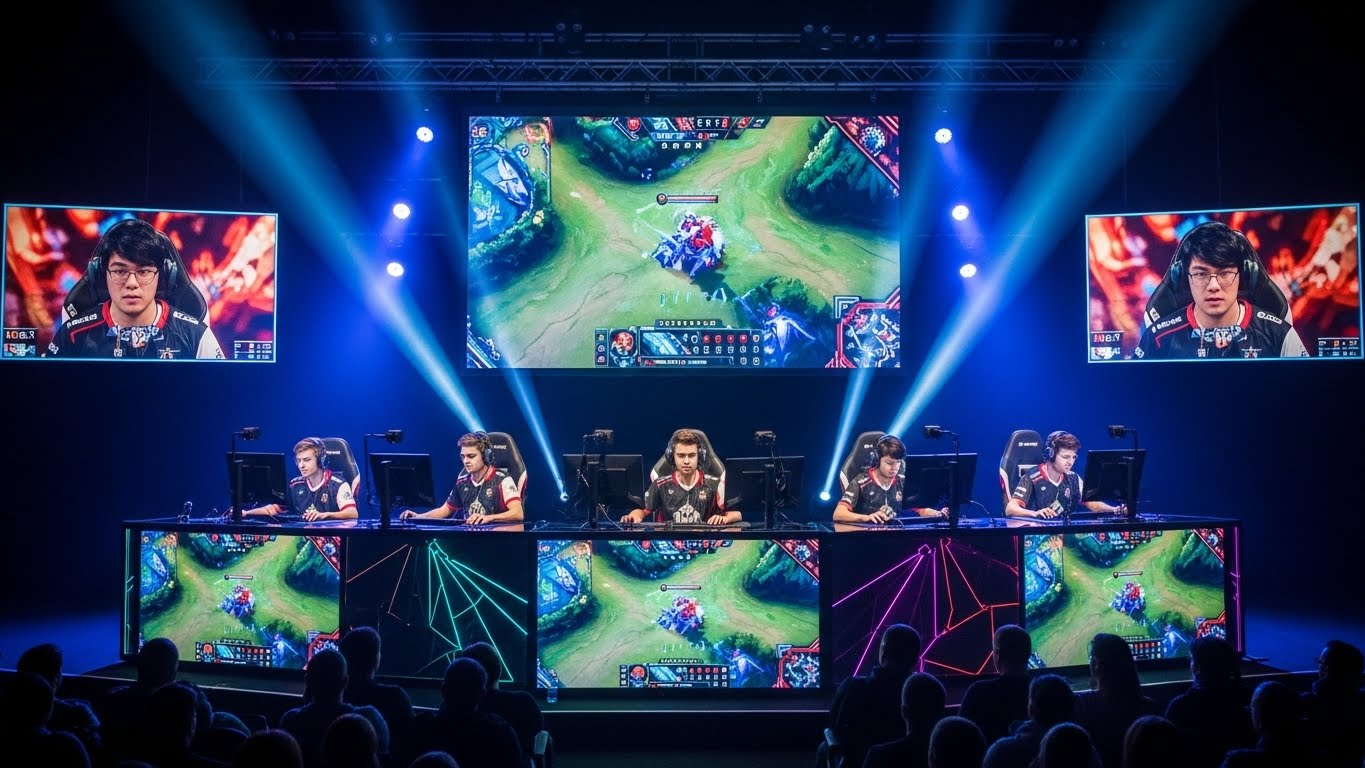
Esports, or competitive video gaming, has transformed from a niche hobby into a global phenomenon. With millions of fans, high-stakes tournaments, and professional players gaining celebrity status, esports is no longer just about playing games—it is a serious industry with social, economic, and cultural impact. This article explores the rise of esports, its influence on players and audiences, and the future of competitive gaming.
The Rise of Esports
Esports has grown exponentially over the last two decades. While competitive gaming existed in the 1970s and 1980s with arcade competitions, the rise of online gaming in the early 2000s fueled its global expansion. Popular games such as League of Legends, Dota 2, Fortnite, and Counter-Strike have built communities around competitive play. Today, esports tournaments attract millions of viewers worldwide, both online and in physical arenas, showcasing a level of organization and fan engagement comparable to traditional sports.
The Popularity of Esports
Several factors contribute to the rapid popularity of esports. Accessibility is key; players only need a device and an internet connection to participate or spectate. Streaming platforms and social media allow fans to engage with content and interact with players globally. Esports appeals particularly to younger generations who grew up in digital environments, making it a natural extension of entertainment and social interaction. The excitement of live competition, strategy, and skill keeps audiences captivated, making esports a powerful form of digital entertainment.
Physical and Mental Demands
Contrary to common perception, esports requires both physical and mental endurance. Professional gamers spend hours training to improve reflexes, hand-eye coordination, multitasking, and strategic thinking. Mental resilience is critical, as players perform under high pressure, often during long tournaments. Maintaining physical health is equally important; regular exercise, proper nutrition, and adequate sleep are necessary to sustain performance. The discipline required for competitive gaming demonstrates that esports is far more than casual play—it demands dedication and focus akin to traditional athletic training.
Esports as a Career
Esports has emerged as a legitimate career path. Professional players earn income through tournament winnings, sponsorships, and streaming. Teams operate similarly to traditional sports organizations, with coaching staff, analysts, and support personnel. Beyond playing, career opportunities exist in event management, broadcasting, coaching, game development, and content creation. Universities are now offering esports scholarships, further legitimizing the field and creating structured pathways for aspiring players. While competitive, esports offers diverse professional opportunities for those passionate about gaming.
Impact on Youth Culture
Esports significantly influences youth culture. Online gaming communities foster teamwork, communication, and problem-solving skills. Young people develop strategic thinking and creativity while collaborating with others in virtual environments. Participation in esports encourages technological literacy and interest in game development, coding, and digital entrepreneurship. Furthermore, esports provides social connections and shared experiences, creating a sense of community among players who may otherwise be geographically dispersed.
Economic Influence
The economic impact of esports is immense. The industry generates billions annually through tournaments, sponsorships, merchandise, and media rights. Major events drive tourism, create jobs, and stimulate local economies. Companies recognize esports as a marketing platform, targeting engaged digital audiences. Game developers benefit from increased sales of competitive titles, in-game purchases, and peripherals. Even grassroots esports programs contribute to local economic activity, highlighting the industry’s reach beyond just professional competition.
Technological Advancements
Technology is the backbone of esports. High-performance computers, gaming consoles, and peripherals enhance player performance, while fast internet enables real-time online competition. Streaming platforms allow fans to watch events live, interact with players, and follow tournaments globally. Data analytics and artificial intelligence help coaches and teams analyze gameplay, optimize strategies, and enhance training. Emerging technologies such as virtual reality and cloud gaming promise new immersive experiences, expanding the boundaries of competitive play.
Esports and Social Interaction
Esports has redefined social interaction in the digital age. Online games connect players from across the globe, fostering collaboration and community. Social media and streaming platforms allow fans to engage directly with players, participate in discussions, and follow live events. Unlike traditional sports, esports transcends geographic boundaries, creating international communities united by shared interests. This global connectivity makes esports a powerful cultural phenomenon that promotes engagement, friendship, and inclusion.
Challenges in Esports
Despite its growth, esports faces several challenges. Excessive screen time and sedentary lifestyles can impact physical health. Mental stress, burnout, and performance pressure affect professional players, highlighting the need for mental health support. Online harassment and toxic behavior are ongoing issues within gaming communities. Additionally, gender inequality remains a concern, as women are underrepresented in competitive gaming. Addressing these challenges is crucial to ensure esports remains sustainable, ethical, and inclusive.
The Rise of Women in Esports
Women are increasingly gaining visibility and recognition in esports. Female players are competing in professional tournaments, streaming content, and building communities. Initiatives promoting diversity and inclusivity are creating opportunities for women to thrive in competitive gaming. Their participation challenges stereotypes and inspires younger generations to pursue esports, technology, and gaming careers. The rise of women in esports is a significant step toward gender equality in digital spaces and professional competition.
Educational Opportunities
Esports has educational potential beyond entertainment. Schools and universities are integrating esports programs to teach teamwork, strategic thinking, and digital literacy. Scholarships and academic programs support students pursuing competitive gaming while emphasizing academic growth. Courses in game development, design, and digital entrepreneurship prepare students for careers in the expanding esports industry. By combining entertainment with education, esports helps cultivate skills that are valuable in a technology-driven world.
Global Phenomenon
Esports is a global cultural phenomenon. International tournaments bring together players and fans from diverse backgrounds, fostering cross-cultural engagement and mutual understanding. Events attract millions of viewers worldwide, creating shared experiences and traditions. Streaming platforms allow audiences to follow competitions, interact with content, and participate in global discussions. The international appeal of esports demonstrates how digital technology can unite people, transcending borders and creating a global community of fans and players.
Future of Esports
The future of esports is promising and dynamic. Emerging technologies, new game genres, and increasing inclusivity will expand its reach. Mobile esports is growing rapidly, making competitive gaming accessible to more people. Virtual reality and augmented reality could transform competitive experiences, offering unprecedented immersion. Sponsorships, media rights, and fan engagement will continue to fuel industry growth. As esports evolves, it will continue to challenge traditional notions of sports, entertainment, and digital culture, shaping the way society interacts with competition and technology.
Conclusion
Esports is more than just video gaming—it is a cultural, social, and economic revolution. It challenges traditional ideas of competition, offers career opportunities, and fosters skills such as teamwork, strategy, and resilience. From influencing youth culture to creating global communities, esports impacts society in profound ways. As technology advances and inclusivity increases, esports will continue to grow, inspiring future generations and redefining the boundaries of competition and entertainment. The digital arena is here to stay, and its influence is only set to expand in the years to come.