 By esportsstream74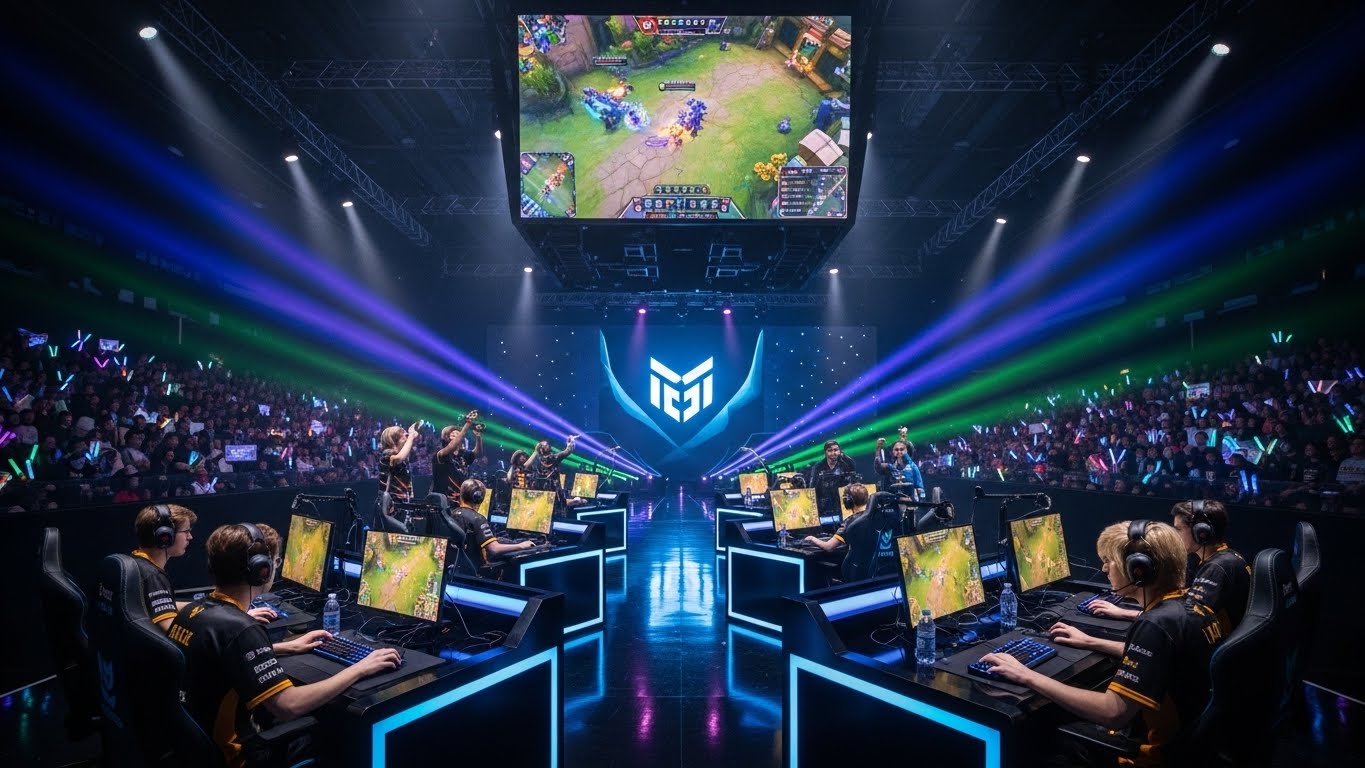
Esports, the world of competitive video gaming, has evolved rapidly from a niche hobby into a global entertainment powerhouse. Once considered the pastime of enthusiasts and hobbyists, esports now commands massive audiences, professional leagues, and lucrative tournaments. Combining strategy, skill, teamwork, and technology, esports has redefined what it means to compete and entertain in the digital age. This blog explores the rise of esports, its cultural and economic impact, the technological innovations behind it, the benefits it offers players and communities, its challenges, and what the future holds for this revolutionary industry.
The Origins of Esports
The history of esports stretches back several decades. In the 1970s and 1980s, video games like Pong, Space Invaders, and Pac-Man introduced the idea of competitive gaming through high-score contests and local competitions. While these early contests were informal, they planted the seeds for organized competition.
The late 1990s and early 2000s marked a turning point with the emergence of multiplayer online games such as StarCraft, Counter-Strike, and Warcraft III. These games allowed players to compete online, sparking the first professional tournaments and forming the early esports community. The proliferation of internet connectivity enabled gamers to compete across regions, making esports a truly global phenomenon.
With the rise of streaming platforms in the 2010s, esports exploded in popularity. Players could broadcast live matches to audiences around the world, while fans could watch, interact, and form communities. This combination of competition, accessibility, and audience engagement laid the foundation for modern esports as we know it today.
The Global Popularity of Esports
Esports is no longer a niche activity—it has become a worldwide phenomenon. Millions of players participate in games such as League of Legends, Dota 2, Fortnite, Call of Duty, and Overwatch. International tournaments attract massive audiences, rivaling traditional sports events in both viewership and excitement.
One of the key factors behind esports’ popularity is its accessibility. Unlike traditional sports that often require specific physical attributes or facilities, esports prioritizes strategic thinking, hand-eye coordination, and teamwork. Anyone with the right skills and equipment can compete, leveling the playing field and creating opportunities for a diverse range of participants.
Additionally, esports has cultivated a unique fan culture. Fans follow their favorite teams and players, watch live streams, and discuss strategies on social media and forums. This interactive culture has fostered a sense of community, making esports a social and cultural phenomenon as well as a competitive one.
Cultural Impact of Esports
Esports has significantly influenced modern culture. It has created new forms of entertainment and social interaction while reshaping perceptions of gaming. Professional players are celebrated as celebrities, inspiring fans worldwide. Streaming platforms and content creators have amplified esports’ reach, turning it into a lifestyle that includes fashion, language, and online communities.
Furthermore, esports promotes inclusivity. Players of all ages, genders, and abilities can compete and thrive. This accessibility has contributed to esports’ global appeal, allowing individuals who may not participate in traditional sports to experience competition, achievement, and belonging. Esports also encourages creativity, teamwork, and critical thinking, qualities that extend beyond gaming into everyday life.
Economic Significance of Esports
Esports has become a major economic driver. Revenue is generated through multiple streams, including tournament prize pools, sponsorships, merchandising, ticket sales for live events, and broadcasting rights. International competitions offer prize money reaching millions of dollars, attracting top talent and widespread media attention.
Professional esports players earn significant incomes through salaries, endorsements, and tournament winnings. Organizations invest in infrastructure, training facilities, and coaching to nurture talent, creating jobs and career opportunities beyond playing, such as management, broadcasting, marketing, and software development.
Cities hosting esports tournaments benefit economically through tourism, hospitality, and increased media exposure. The industry’s rapid growth demonstrates how digital entertainment can generate real-world economic impact, rivaling traditional sports and entertainment sectors.
Technological Innovations in Esports
Technology is at the heart of esports. Competitive gaming relies on high-performance hardware, gaming peripherals, and fast, reliable internet connections. Advanced software tools help players analyze performance, develop strategies, and optimize training. Artificial intelligence and analytics have become integral to understanding gameplay patterns and enhancing competitive performance.
Streaming technology has transformed how audiences engage with esports. Live broadcasts, interactive features, and on-demand content allow fans to follow their favorite players and teams globally. Emerging technologies like virtual reality and augmented reality are further enhancing the spectator experience, making esports more immersive and interactive than ever before.
Cognitive and Psychological Benefits
Esports is often misunderstood as purely recreational, but it offers significant cognitive and psychological benefits. Competitive gaming demands focus, quick decision-making, strategic planning, and multitasking. Players develop problem-solving skills, memory retention, and spatial awareness, all of which are valuable beyond gaming.
Esports also fosters social interaction and teamwork. Players must communicate effectively and coordinate with teammates under pressure, improving collaboration and emotional intelligence. Achieving milestones and performing well in tournaments boosts confidence, resilience, and discipline. This combination of mental, social, and emotional growth makes esports a valuable activity for personal development.
Esports in Education
Educational institutions increasingly recognize esports as a legitimate platform for learning and skill development. Universities and colleges now offer esports scholarships, form teams, and integrate gaming into academic programs focused on technology, game design, and media studies. These programs emphasize critical thinking, strategy, collaboration, and digital literacy.
Beyond formal education, esports promotes self-directed learning. Players analyze gameplay, study strategies, and practice consistently to improve. These habits cultivate skills such as problem-solving, adaptability, and goal setting, which are transferable to careers in technology, media, and creative industries.
Challenges Facing Esports
Despite its rapid growth, esports faces challenges that must be addressed. Mental health is a significant concern, with long practice hours, high-pressure competition, and public scrutiny leading to stress, burnout, and anxiety. Support systems, wellness programs, and sustainable training schedules are essential to protect players’ well-being.
Regulation and governance remain inconsistent. Unlike traditional sports with standardized rules, esports competitions can vary widely, leading to disputes, cheating, and unfair practices. Ethical concerns, such as player exploitation, addiction, and unhealthy gaming habits, also need attention. Moreover, the environmental impact of large-scale tournaments, including energy use and electronic waste, is an emerging issue for the industry.
The Future of Esports
The future of esports is bright and dynamic. Advances in technology, such as virtual reality, augmented reality, and artificial intelligence, will make gaming more immersive and interactive. Esports is expected to expand into new genres, platforms, and international markets, reaching increasingly diverse audiences.
Collaboration with traditional sports, entertainment, and media will enhance visibility and legitimacy. Celebrities, professional athletes, and major brands are increasingly participating in esports events, creating crossover appeal and attracting new audiences.
Inclusivity and social responsibility will shape esports’ evolution. Promoting diversity, gender equality, and accessibility will expand participation. Mental health support, ethical governance, and sustainable practices will ensure responsible growth while maintaining the industry’s appeal and profitability.
Conclusion
Esports is more than just a digital pastime—it is a cultural, economic, and technological revolution. From local tournaments to global championships, esports blends skill, strategy, and entertainment in a unique way. It offers personal development, fosters social connection, and drives economic opportunity, demonstrating its transformative potential.
As esports continues to evolve, it will break new boundaries, attract wider audiences, and inspire future generations. Engaging in esports, whether as a player, spectator, or professional, provides a gateway to the convergence of technology, competition, and community. In a world increasingly shaped by digital interaction, esports represents the future of entertainment, proving that games can unite, challenge, and inspire people across the globe.