 By esportsstream74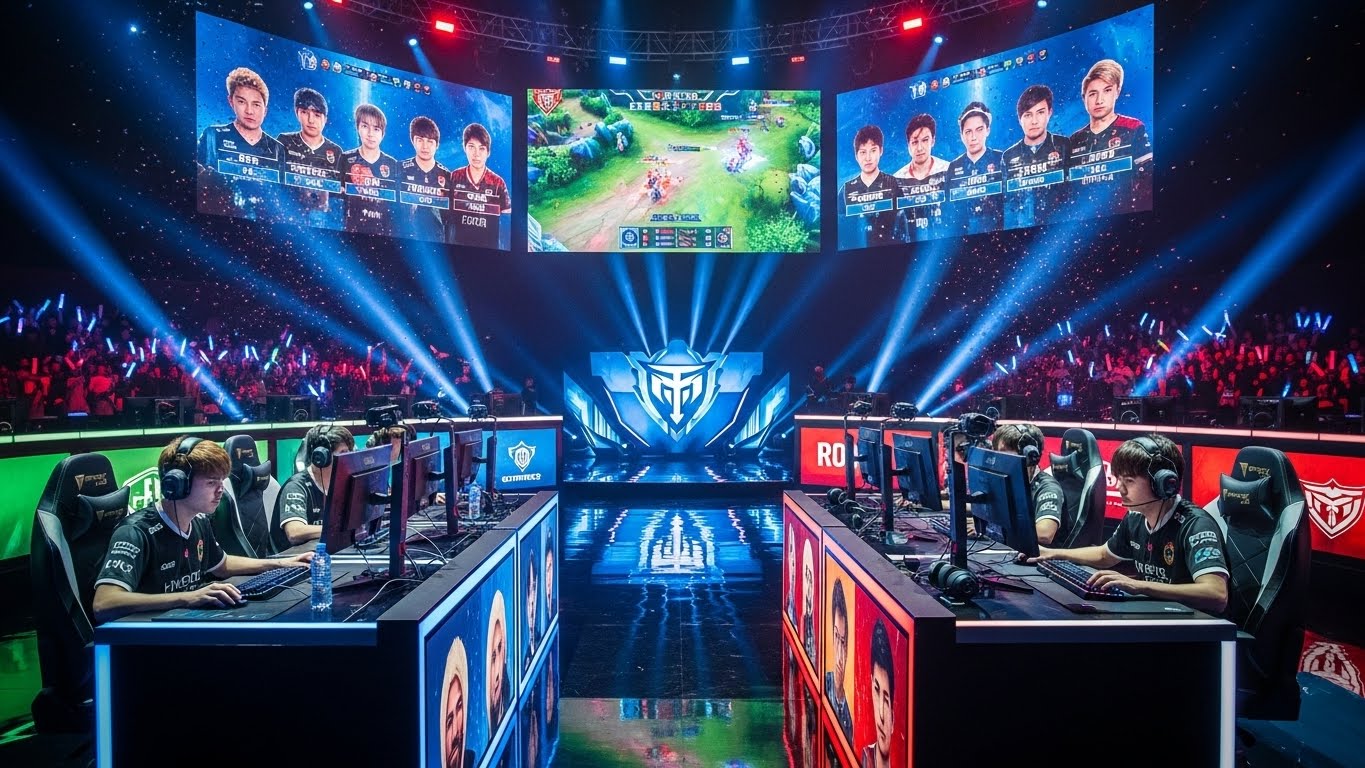
Introduction: The Rise of a Digital Arena
Esports has grown from small community tournaments into a global phenomenon that rivals traditional sports in viewership, revenue, and cultural impact. What once seemed like casual gaming has evolved into a structured, professional ecosystem featuring elite athletes, passionate fans, and billion-dollar industries. Esports is no longer just about playing games; it is about storytelling, identity, and the future of competition in a digital world.
What Esports Really Means
Esports, short for electronic sports, refers to organized, competitive video gaming where individuals or teams compete under established rules. These competitions span genres such as strategy, shooters, sports simulations, and multiplayer online battle arenas. What sets esports apart is not merely the game itself, but the level of discipline, preparation, and professionalism involved. Players train for hours daily, analyze opponents, and work with coaches and analysts to refine strategies, much like athletes in traditional sports.
From Arcades to Arenas
The roots of esports can be traced back to local arcades and early home consoles where high scores sparked friendly rivalries. Over time, improvements in internet connectivity and gaming technology enabled global competition. Online multiplayer gaming transformed isolated play into shared experiences, paving the way for leagues and tournaments. Today, massive arenas fill with fans cheering for their favorite teams, while millions more watch broadcasts from around the world.
The Esports Athlete: Skill, Discipline, and Mindset
Professional esports players are often misunderstood as casual gamers, but the reality is far different. Reaction time, hand-eye coordination, strategic thinking, and teamwork are critical skills. Players must maintain peak mental focus for extended periods, managing pressure and fatigue. Many teams emphasize physical fitness, nutrition, and mental health, recognizing that performance depends on overall well-being. The stereotype of the unhealthy gamer is steadily being replaced by the image of a disciplined digital athlete.
Games That Define the Industry
While esports encompasses many titles, certain games have become pillars of the competitive scene. These games are designed with balance, spectator appeal, and longevity in mind. Developers actively update content to keep competition fair and exciting. Each game fosters its own community, culture, and legends, contributing to the diversity of esports as a whole. This variety allows fans to connect with esports in different ways, whether they enjoy fast-paced action or deep strategic play.
Teams, Organizations, and Leagues
Behind every great player is an organization that provides structure and support. Esports teams operate like professional sports franchises, complete with management, marketing, and talent development. Leagues and tournament organizers create seasonal formats, ensuring consistency and competitive integrity. This structure has brought stability to the industry, attracting sponsors and investors who see esports as a long-term opportunity rather than a passing trend.
The Power of Streaming and Community
One of the defining features of esports is its close relationship with fans. Streaming platforms allow viewers to watch live matches, interact with players, and become part of a shared experience. This accessibility has democratized entertainment, enabling fans to feel closer to the action than ever before. Communities form around teams, players, and games, creating a sense of belonging that extends beyond the screen.
Esports as a Career Path
The growth of esports has created diverse career opportunities beyond playing professionally. Coaches, analysts, broadcasters, event organizers, graphic designers, and content creators all play vital roles in the ecosystem. Educational institutions now offer programs related to esports management and production, legitimizing it as a viable career choice. For many young people, esports represents a new way to turn passion into profession.
Economic Impact and Global Reach
Esports has become a significant economic force, generating revenue through sponsorships, merchandise, ticket sales, and media rights. Its global nature allows brands to reach international audiences with ease. Countries around the world are investing in esports infrastructure, recognizing its potential to drive innovation and tourism. This global reach also fosters cultural exchange, as players and fans from different backgrounds connect through shared competition.
Challenges Facing the Industry
Despite its success, esports faces several challenges. Player burnout, lack of standardized regulations, and concerns about fair play require ongoing attention. The rapid pace of change can make sustainability difficult for smaller organizations. Additionally, inclusivity remains an important issue, as the industry works to create welcoming environments for players of all genders and backgrounds. Addressing these challenges is essential for esports to continue its positive growth.
Esports and Education
Esports is increasingly finding a place in educational settings. Schools and universities are forming teams and offering scholarships, recognizing the value of teamwork, leadership, and strategic thinking developed through competitive gaming. These programs also teach students about media production, event management, and digital literacy. By integrating esports into education, institutions are preparing students for a future where digital skills are essential.
Cultural Influence and Mainstream Acceptance
Esports has moved firmly into mainstream culture. Major brands collaborate with teams, celebrities invest in organizations, and traditional sports franchises establish esports divisions. Media coverage continues to expand, bringing competitive gaming to broader audiences. This acceptance reflects a shift in how society views gaming, recognizing it as a legitimate form of competition and entertainment.
The Future of Esports
Looking ahead, esports shows no signs of slowing down. Advancements in technology, such as virtual reality and improved broadcasting tools, promise to enhance both play and viewership. As the industry matures, stronger governance and player support systems are likely to emerge. Esports may not replace traditional sports, but it will continue to exist alongside them, offering new ways to compete, connect, and celebrate human skill in a digital age.
Conclusion: More Than Just a Game
Esports is more than pixels and controllers; it is a reflection of how technology reshapes human interaction and competition. It brings people together across borders, challenges traditional ideas of athletics, and creates opportunities for innovation and expression. As esports continues to evolve, it stands as a testament to the power of play and the endless possibilities of the digital era.