 By esportsstream74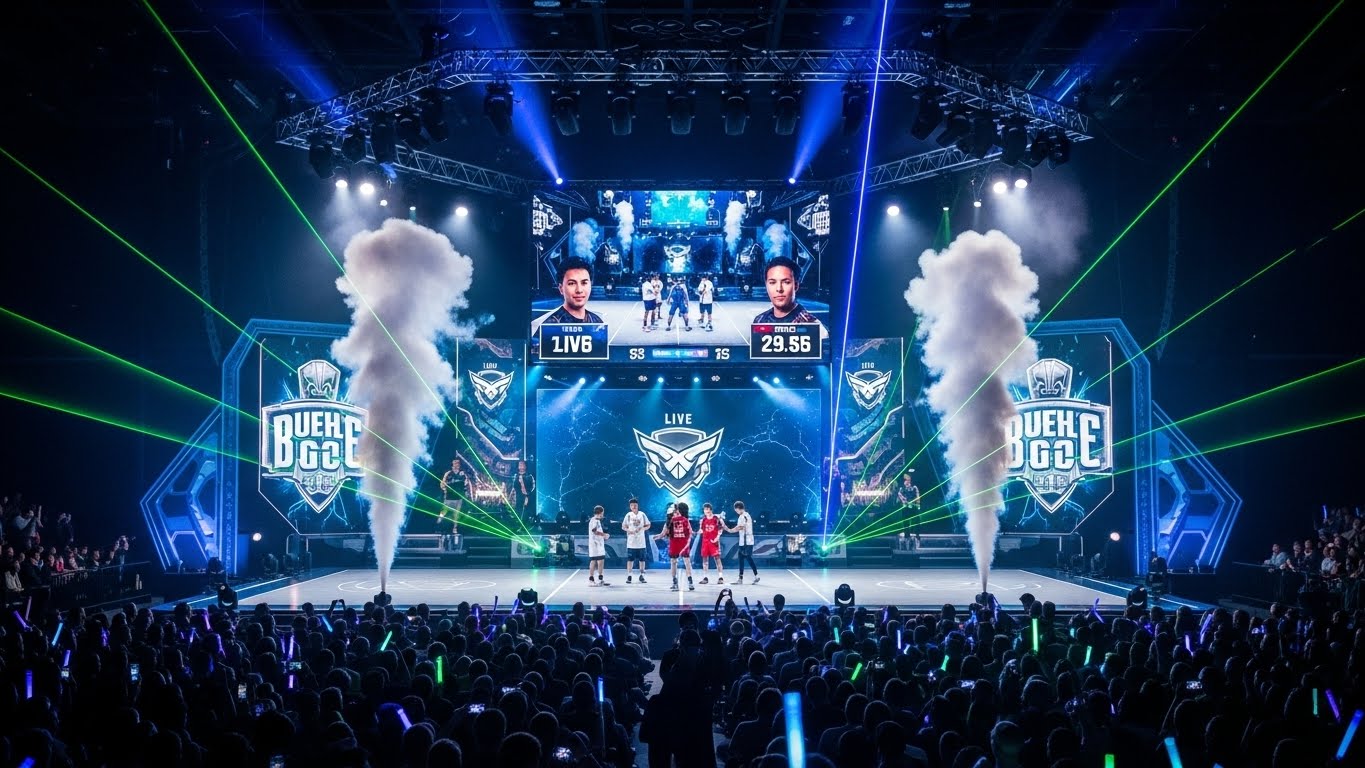
Introduction: The Rise of a Digital Arena
Esports, or competitive video gaming, has transformed from a niche hobby into a global phenomenon that rivals traditional sports in viewership, revenue, and cultural impact. What once took place in bedrooms and internet cafés now fills massive arenas, attracts millions of online viewers, and offers professional players fame, fortune, and long-term careers. Esports is no longer just about games; it is about community, technology, entertainment, and the future of competition itself.
Understanding Esports: More Than Just Playing Games
At its core, esports involves organized, competitive gaming where individuals or teams compete in popular video game titles. These competitions are structured with leagues, tournaments, professional teams, coaches, analysts, and strict rules. Unlike casual gaming, esports requires discipline, strategy, and relentless practice. Players often train for eight to ten hours a day, refining mechanics, communication, and decision-making under pressure. This level of professionalism places esports closer to traditional athletics than many critics once believed.
The Evolution of Esports Over Time
The journey of esports began decades ago with small-scale competitions and arcade tournaments. Early events were modest, offering little more than bragging rights. As internet connectivity improved and online multiplayer games became widespread, competitive gaming found a global stage. Streaming platforms played a crucial role in this evolution by allowing fans to watch live matches, follow their favorite players, and engage in real time. Over time, sponsorships, advertising, and media coverage fueled rapid growth, pushing esports into mainstream recognition.
Popular Esports Titles and Their Competitive Appeal
Different esports games attract different audiences, each offering unique styles of competition. Some focus on strategic teamwork, others on lightning-fast reflexes, and some on individual mastery. These games succeed because they are easy to watch yet difficult to master. Spectators can enjoy the excitement of a match without deep knowledge, while dedicated fans appreciate the complex strategies unfolding behind every move. This balance makes esports accessible and deeply engaging at the same time.
The Esports Athlete: Skill, Discipline, and Mental Strength
Professional esports players are often misunderstood. While physical exertion may differ from traditional sports, the mental and emotional demands are immense. Players must maintain focus for long periods, react instantly to changing situations, and perform consistently under immense pressure. Hand-eye coordination, reaction time, strategic thinking, and teamwork are essential skills. Many teams now employ psychologists, fitness trainers, and nutritionists to ensure players maintain peak performance and avoid burnout.
Esports as a Career Path
One of the most significant changes brought by esports is the creation of new career opportunities. Beyond professional players, the industry supports coaches, commentators, event managers, analysts, content creators, marketers, and game developers. Universities and colleges are now offering esports scholarships and degree programs, recognizing competitive gaming as a legitimate field of study. For many young people, esports represents a realistic and exciting career path that aligns with their passion for gaming.
The Role of Technology in Esports Growth
Technology is the backbone of esports. High-performance gaming hardware, advanced software, and reliable internet infrastructure make competitive play possible. Streaming technology allows matches to be broadcast globally with professional production quality. Data analytics tools help teams analyze gameplay, improve strategies, and gain competitive advantages. As technology continues to evolve, esports experiences are becoming more immersive, interactive, and accessible to fans around the world.
Esports and Global Community Building
One of esports’ greatest strengths is its ability to connect people across cultures and borders. Players and fans from different countries come together through shared passion and competition. Online communities form around teams, games, and personalities, creating a sense of belonging. Unlike traditional sports, esports does not require physical proximity; anyone with an internet connection can participate, watch, or support their favorite team. This global inclusivity is a defining feature of esports culture.
The Business of Esports
Esports is not just entertainment; it is a rapidly growing business ecosystem. Revenue streams include sponsorships, advertising, merchandise, ticket sales, and media rights. Brands from technology, fashion, food, and even finance have entered the esports space to reach younger, digitally engaged audiences. Professional teams operate like sports franchises, managing player contracts, branding, and fan engagement. This commercial growth has helped legitimize esports and ensure its long-term sustainability.
Challenges Facing the Esports Industry
Despite its success, esports faces several challenges. Player burnout, lack of standardized regulations, and concerns about fair play remain ongoing issues. The fast-paced nature of the industry can make careers short-lived, especially for players who start young. Additionally, ensuring inclusivity and addressing toxic behavior within gaming communities are critical for healthy growth. Addressing these challenges requires collaboration between developers, teams, organizers, and fans.
Esports and Education
Educational institutions are increasingly embracing esports as a learning tool. Esports programs teach valuable skills such as teamwork, leadership, communication, and strategic thinking. Students involved in esports often develop technical skills related to broadcasting, event management, and digital media. By integrating esports into education, institutions can engage students in meaningful ways while preparing them for modern careers.
The Future of Esports
The future of esports looks promising and dynamic. As virtual reality, augmented reality, and artificial intelligence advance, competitive gaming experiences may evolve in unexpected ways. Esports may continue to blend with traditional sports, entertainment, and popular culture. With growing acceptance from mainstream audiences and institutions, esports is likely to become a permanent fixture in global entertainment rather than a passing trend.
Cultural Impact of Esports
Esports has reshaped how people view gaming and competition. It has challenged outdated stereotypes and demonstrated that gaming can be productive, social, and professional. Influential players and streamers have become role models, inspiring millions to pursue their passions. Esports has also influenced music, fashion, and online content, further embedding itself into modern culture.
Conclusion: A New Era of Competition
Esports represents more than just a new way to play games; it symbolizes a shift in how society defines competition, entertainment, and success. By combining technology, talent, and global connectivity, esports has created a space where skill and dedication are rewarded on a massive stage. As the industry continues to mature, its influence will only grow stronger. Esports is not the future of competition; it is already here, redefining what it means to compete in the digital age.