 By esportsstream74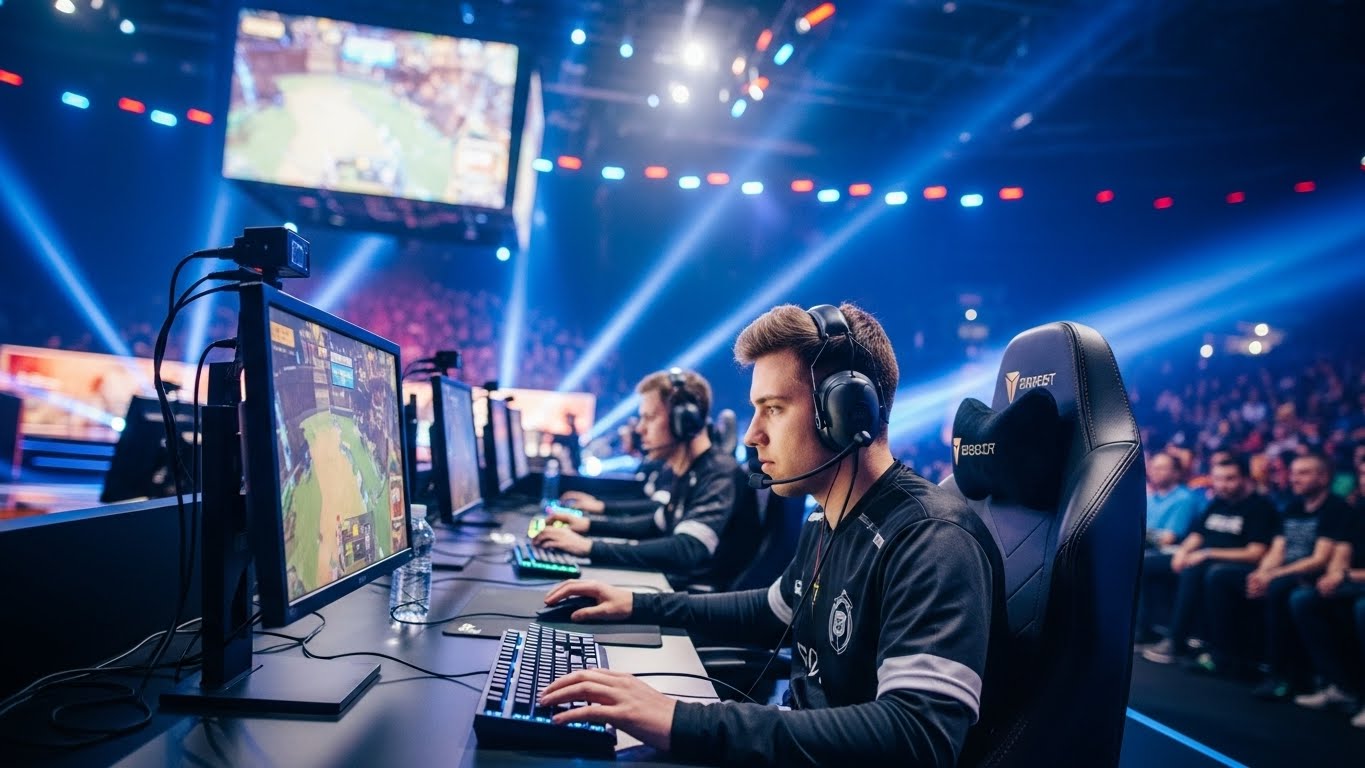
Esports has evolved from a niche hobby into a global phenomenon that rivals traditional sports in popularity, professionalism, and economic impact. Competitive gaming now attracts millions of viewers, generates substantial revenue, and has created career paths for players, coaches, analysts, and content creators. This blog explores the rise of esports, its cultural and economic influence, and what the future holds for this fast-growing industry.
Understanding Esports: From Casual Gaming to Professional Competition
Esports, short for electronic sports, refers to organized, competitive gaming where individuals or teams face off in video games at a professional level. Unlike casual gaming, esports demands strategic thinking, teamwork, technical skill, and mental endurance. Popular esports titles include League of Legends, Dota 2, Counter-Strike: Global Offensive, Call of Duty, and Fortnite. Each game has cultivated a dedicated competitive scene, complete with leagues, tournaments, and fan communities.
At its core, esports combines elements of entertainment, athletic competition, and social interaction. Professional players dedicate hours to practice, studying opponents, mastering game mechanics, and refining strategies. Coaches, analysts, and managers support them, making esports a fully professionalized ecosystem with career pathways beyond just playing.
The Evolution of Esports: A Historical Perspective
While competitive gaming has roots as far back as the 1970s with arcade tournaments, modern esports emerged with the rise of online multiplayer games in the early 2000s. South Korea played a pioneering role in professionalizing esports, particularly with the game StarCraft, turning players into national celebrities. This model inspired other countries to embrace competitive gaming.
In recent years, the esports industry has grown exponentially. Global audiences now number in the hundreds of millions, and tournaments with multi-million-dollar prize pools have become standard. With increased investment, sponsorship deals, and professional production, esports has moved from basements and internet cafes to stadiums and broadcast platforms, bridging the gap between gaming and mainstream entertainment.
Professional Players: The New Generation of Athletes
At the heart of esports are its players. Professional gamers often train for eight to twelve hours daily, focusing on both mechanical skill and strategic decision-making. The pressure to perform consistently at a high level demands mental resilience, quick reflexes, and excellent communication, especially in team-based games.
Players are supported by a network of coaches, analysts, and psychologists who help optimize performance and manage stress. Like traditional athletes, esports players have fan followings, sponsorships, and social media influence. Their careers, however, are often shorter due to the intense physical and mental demands, making proper training and lifestyle management critical.
Esports Teams: Building Brands and Communities
Professional esports teams operate similarly to traditional sports franchises. Organizations manage player contracts, marketing, merchandising, and event participation. Some teams field squads across multiple game titles, while others specialize in one competitive scene.
Teams also focus on fan engagement, offering exclusive content, merchandise, and community events. This creates a loyal fanbase and fosters a sense of belonging among supporters. Successful teams not only excel in tournaments but also build strong brands that resonate globally, helping to elevate esports as an industry.
The Tournament Landscape: Global Stages for Competition
Esports tournaments are the centerpiece of the competitive scene. Events like The International for Dota 2, the League of Legends World Championship, and the Fortnite World Cup showcase the highest level of play and attract millions of viewers worldwide. Prize pools in these tournaments often reach millions of dollars, providing significant incentives for professional players and teams.
Leagues such as the Overwatch League and Call of Duty League operate with city-based franchises and seasonal competitions, offering structured schedules similar to traditional sports leagues. Tournament production values are high, featuring live commentary, professional broadcasting, and fan interactions, making esports events an immersive entertainment experience.
Streaming Platforms: Connecting Players and Fans
Streaming platforms like Twitch, YouTube Gaming, and Facebook Gaming have revolutionized esports by allowing fans to watch matches live, interact with players, and follow their favorite teams. Streaming has also created opportunities for content creators to generate income through subscriptions, donations, and sponsorships.
The symbiotic relationship between esports and streaming has fueled growth on both sides. Fans engage in real-time discussions, join online communities, and access behind-the-scenes content. For players, streaming offers additional revenue streams and strengthens their personal brands, bridging the gap between competitive performance and entertainment.
The Global Esports Audience
Esports has a diverse and international fanbase. Unlike traditional sports, esports transcends borders, allowing players and fans from different countries to compete and interact online. Audiences range from teenagers to adults, reflecting gaming’s broad appeal as a form of entertainment, competition, and social engagement.
Spectators are highly interactive, participating in fantasy esports leagues, fan forums, and social media discussions. The global reach of esports has made it a cultural phenomenon, influencing fashion, music, and entertainment beyond gaming itself.
Economic Impact: A Billion-Dollar Industry
Esports has emerged as a major economic force. Revenue streams include sponsorships, advertising, media rights, ticket sales, merchandise, and in-game purchases. Leading global brands sponsor teams and tournaments to reach young, digitally-savvy audiences, demonstrating the marketing potential of competitive gaming.
The economic influence of esports extends beyond the gaming industry. Technology sales, event production, content creation, and tourism all benefit from the growth of esports. Hosting major tournaments brings international exposure and economic activity to cities, highlighting esports’ role as both entertainment and business.
Mental and Social Dynamics of Esports
Professional gaming requires mental toughness and emotional intelligence. Players must perform under pressure, manage high expectations, and maintain focus for long periods. Teams often employ sports psychologists to support players in managing stress, improving concentration, and enhancing team dynamics.
Esports also fosters collaboration across cultural and geographic boundaries. Teamwork, communication, and strategic thinking are essential skills that players develop, making esports both a competitive and educational experience. However, the industry must address issues such as online toxicity, harassment, and the social pressures associated with fame.
Career Opportunities in Esports
Esports is no longer limited to playing professionally. The industry offers diverse career paths, including coaching, event management, content creation, broadcasting, marketing, analytics, and game development. Educational institutions have begun offering esports programs that teach management, strategy, and media production, along with scholarships for talented players.
The professionalization of esports ensures that individuals have long-term career opportunities, whether on the stage or behind the scenes. This growth transforms esports into a sustainable industry capable of attracting top talent worldwide.
The Future of Esports
The future of esports is dynamic and promising. Emerging technologies such as virtual reality, augmented reality, artificial intelligence, and cloud gaming will enhance gameplay, training, and audience engagement. Virtual arenas and immersive experiences could redefine how fans watch and participate in competitions.
Esports is also expanding into mainstream culture through collaborations with traditional sports, music, and media. Governments and organizations increasingly recognize esports as a legitimate competitive field, supporting infrastructure, tournaments, and professional development. The industry’s growth depends on responsible governance, mental health support, and inclusive practices that ensure fair competition and community well-being.
Challenges Facing the Esports Industry
Despite its rapid growth, esports faces several challenges. Player burnout, short career spans, and the intense physical and mental demands of competition require ongoing support. Ensuring fair play, addressing cheating, and combating online harassment are critical for maintaining integrity and trust.
Diversity and inclusivity are also pressing concerns. While esports attracts a global audience, representation of women and underrepresented groups in competitive play and leadership positions remains limited. Addressing these issues is essential for long-term sustainability and social impact.
Conclusion
Esports has transformed from a niche pastime into a global industry that rivals traditional sports in influence, popularity, and economic power. With professional players, dedicated teams, high-stakes tournaments, and a worldwide fanbase, esports represents a new era of competitive entertainment.
The industry continues to evolve, driven by technology, creativity, and passion. Beyond competition, esports fosters community, collaboration, and career opportunities, bridging cultural and geographic boundaries. Its growth highlights the potential for digital entertainment to shape culture, business, and society.
As esports continues to expand, it is not just changing the way we play games; it is redefining what it means to compete, entertain, and connect in a digital world. The rise of esports represents a revolution in entertainment, offering a glimpse into a future where competitive gaming is as celebrated, respected, and influential as any traditional sport.