 By esportsstream74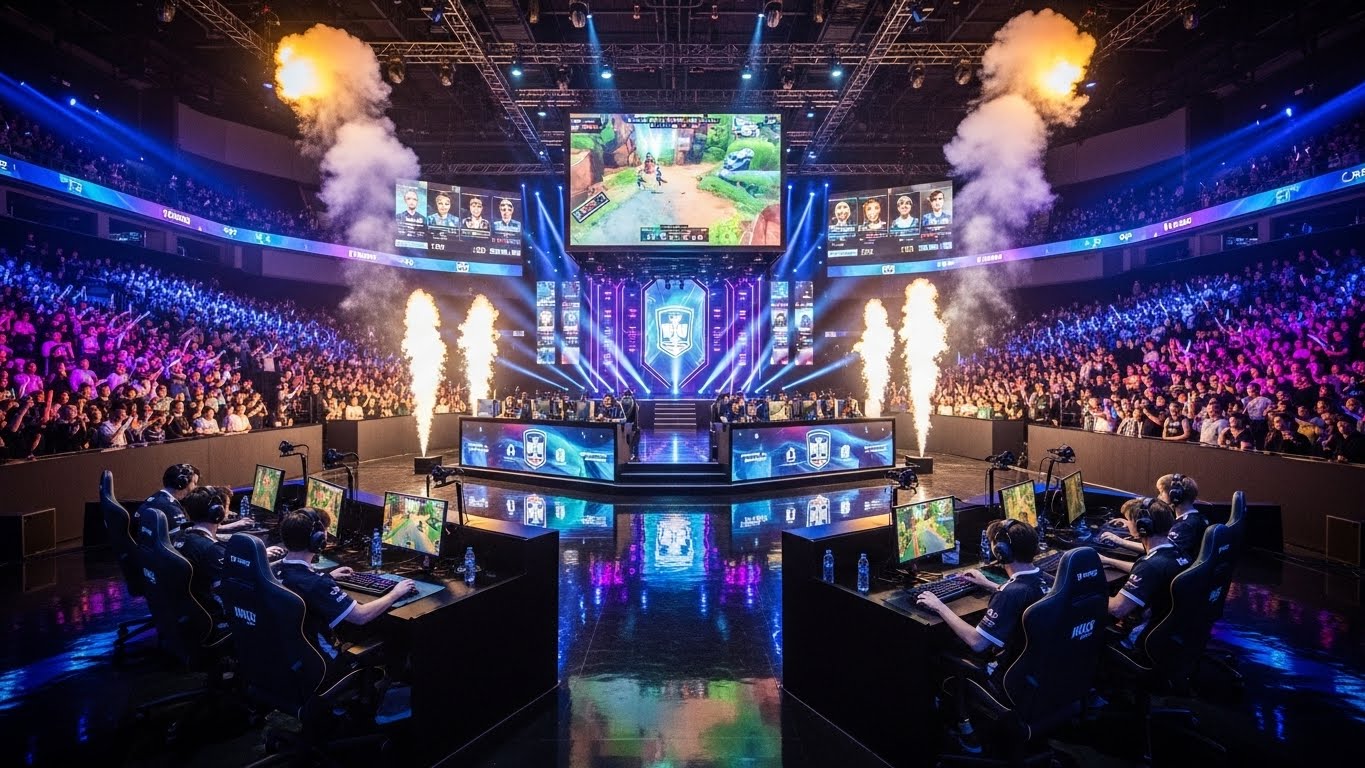
Introduction
The world of competitive gaming, commonly known as eSports, has experienced exponential growth over the last two decades. What once began as casual competitions among friends has evolved into a professional industry with organized leagues, international tournaments, millions of spectators, and multimillion-dollar prize pools. eSports combines technology, entertainment, and athletic skill, redefining what it means to compete in the digital age. This blog explores the rise of eSports, its cultural impact, economic significance, technological innovations, challenges, and what the future holds for this dynamic industry.
The Origins of eSports
eSports traces its roots back to the late 1970s and 1980s with arcade gaming competitions. Early tournaments were often local events, with games like Space Invaders and Pac-Man sparking competitive spirit among players. The 1990s marked a turning point with the advent of online multiplayer games, allowing individuals to compete remotely. Titles such as Quake, StarCraft, and Counter-Strike established the foundation for organized competitions. These games emphasized strategy, teamwork, and skill, demonstrating that digital competition could be both challenging and entertaining.
The early 2000s introduced structured eSports leagues and professional teams. Organizations began formalizing tournaments, securing sponsorships, and attracting dedicated audiences. With faster internet and live streaming technology, competitions could reach global audiences, turning local gaming events into international spectacles. By the 2010s, eSports had firmly established itself as a legitimate form of competitive entertainment, attracting professional players, investors, and fans worldwide.
The Structure of eSports Competitions
eSports competitions are organized with remarkable structure and professionalism. Games are classified into several genres, each with distinct rules, mechanics, and audiences. Popular genres include Multiplayer Online Battle Arenas (MOBAs) like League of Legends and Dota 2, First-Person Shooters (FPS) such as Counter-Strike: Global Offensive and Call of Duty, sports simulations like FIFA and NBA 2K, and Battle Royale games including Fortnite and PUBG. Each genre supports unique competitive ecosystems and attracts dedicated fan bases.
Professional eSports teams resemble traditional sports franchises. Teams consist of players, coaches, analysts, and managers who work together to train, strategize, and compete at the highest levels. Leagues and tournaments are meticulously organized, often featuring round-robin stages, playoffs, and grand finals. Live broadcasting of these events has become an integral part of the experience, with millions of viewers tuning in to watch their favorite teams and players compete in real time.
The Popularity and Growth of eSports
The popularity of eSports has skyrocketed in recent years. Millions of viewers watch tournaments on streaming platforms, creating massive online communities and fan bases. The accessibility of online streaming has eliminated geographical barriers, allowing fans from all corners of the globe to engage with competitions in real time.
Prize money and sponsorships have further fueled growth. Major tournaments now offer prize pools that reach tens of millions of dollars, attracting top-tier talent and creating professional career opportunities. Brand endorsements and corporate sponsorships have legitimized eSports, placing it on par with traditional sports in terms of commercial potential and public recognition. The combination of competitive gameplay, charismatic players, and high-stakes tournaments has created a spectator experience comparable to attending a live sports event.
Key Trends in eSports
Several trends are shaping the future of eSports. One notable trend is mobile eSports, particularly in regions where high-end gaming PCs and consoles are less accessible. Mobile games such as PUBG Mobile, Free Fire, and Mobile Legends have developed competitive ecosystems, attracting millions of players and viewers globally. Mobile eSports is democratizing competition, enabling broader participation and fostering talent from diverse backgrounds.
Live streaming and interactive content are another major trend. Platforms like Twitch and YouTube Gaming allow viewers to watch matches, interact with commentators, and communicate with other fans in real time. This interactivity strengthens community engagement and enhances the overall spectator experience.
Collegiate and amateur leagues are also gaining traction. Universities worldwide are creating eSports programs that provide structured training, scholarships, and competitive opportunities. These programs nurture talent, offer educational benefits, and help legitimize eSports as a viable career path.
The Role of Technology in eSports
Technology is the backbone of eSports. High-performance hardware, including gaming PCs, consoles, and peripherals, enables players to perform at elite levels. Developers continuously optimize software for competitive balance, low latency, and spectator-friendly viewing.
Streaming technology is vital for audience engagement. Real-time broadcasting, high-definition visuals, and interactive features allow fans to experience tournaments live from anywhere in the world. Artificial intelligence and data analytics are increasingly used to enhance performance analysis, strategy development, and audience insights. Technology also plays a crucial role in ensuring fair play through anti-cheat software, real-time monitoring, and regulatory compliance.
Economic Impact of eSports
The economic significance of eSports is substantial. Beyond prize money, revenue streams include sponsorships, advertising, merchandise sales, ticketed events, and streaming monetization. Professional teams operate as full-scale businesses, managing marketing, branding, and fan engagement while investing in player development and training facilities.
eSports also generates employment across various sectors. Players, coaches, analysts, commentators, event organizers, and content creators are just some of the professions supported by the industry. Furthermore, the demand for high-performance hardware and software has spurred technological innovation, benefiting related industries and contributing to global economic growth.
Cultural and Social Impact of eSports
eSports has significantly influenced culture and social interactions. It has shifted perceptions of gaming from casual leisure to professional competition, highlighting strategy, skill, and teamwork. International tournaments bring together players from diverse cultural backgrounds, promoting inclusivity and cross-cultural collaboration.
Community engagement is a core aspect of eSports. Online forums, social media groups, and streaming chats allow fans to connect, discuss strategies, and support their favorite players and teams. eSports has also intersected with mainstream entertainment, influencing fashion, music, and media content, further solidifying its role in contemporary culture.
Challenges Facing eSports
Despite its growth, eSports faces several challenges. Regulatory inconsistencies across regions pose difficulties for international competition and player protection. Establishing standardized rules, fair play protocols, and licensing systems is essential for sustaining credibility and trust within the industry.
Player mental health is another critical concern. Professional players face intense schedules, high-pressure environments, and constant public scrutiny. Organizations are increasingly providing wellness programs, counseling, and regulated practice schedules to ensure sustainable careers.
Cheating and fairness remain ongoing issues. Anti-cheat systems, continuous monitoring, and transparent regulations are necessary to maintain competitive integrity. Addressing these challenges is vital for long-term growth and legitimacy.
The Future of eSports
The future of eSports is promising, with continued technological innovation and global expansion. Virtual reality and augmented reality may redefine gameplay, offering immersive competitions that blend digital and physical experiences. Artificial intelligence and advanced analytics will enhance player performance, coaching strategies, and audience engagement.
eSports will likely become even more mainstream, with traditional sports organizations, media companies, and global brands increasingly investing in the industry. Collegiate programs, amateur leagues, and talent development initiatives will help cultivate the next generation of professional players. Improved internet infrastructure and mobile accessibility will expand global participation, creating a truly international competitive ecosystem.
Conclusion
eSports has evolved from casual gaming competitions into a professional, globally recognized industry. It combines technology, entertainment, and athletic skill, attracting millions of players, fans, and investors worldwide. The industry has created economic opportunities, fostered innovation, and reshaped cultural perceptions of gaming.
With advances in streaming, mobile gaming, virtual reality, and artificial intelligence, eSports is poised to continue its growth and influence. Despite challenges related to regulation, mental health, and fair play, the industry remains resilient and dynamic. eSports offers unprecedented opportunities for competition, entertainment, and career development, making it one of the most exciting phenomena in the digital age. For players, fans, and investors alike, eSports represents a revolutionary form of entertainment that is reshaping the way we compete, watch, and experience gaming worldwide.