 By esportsstream74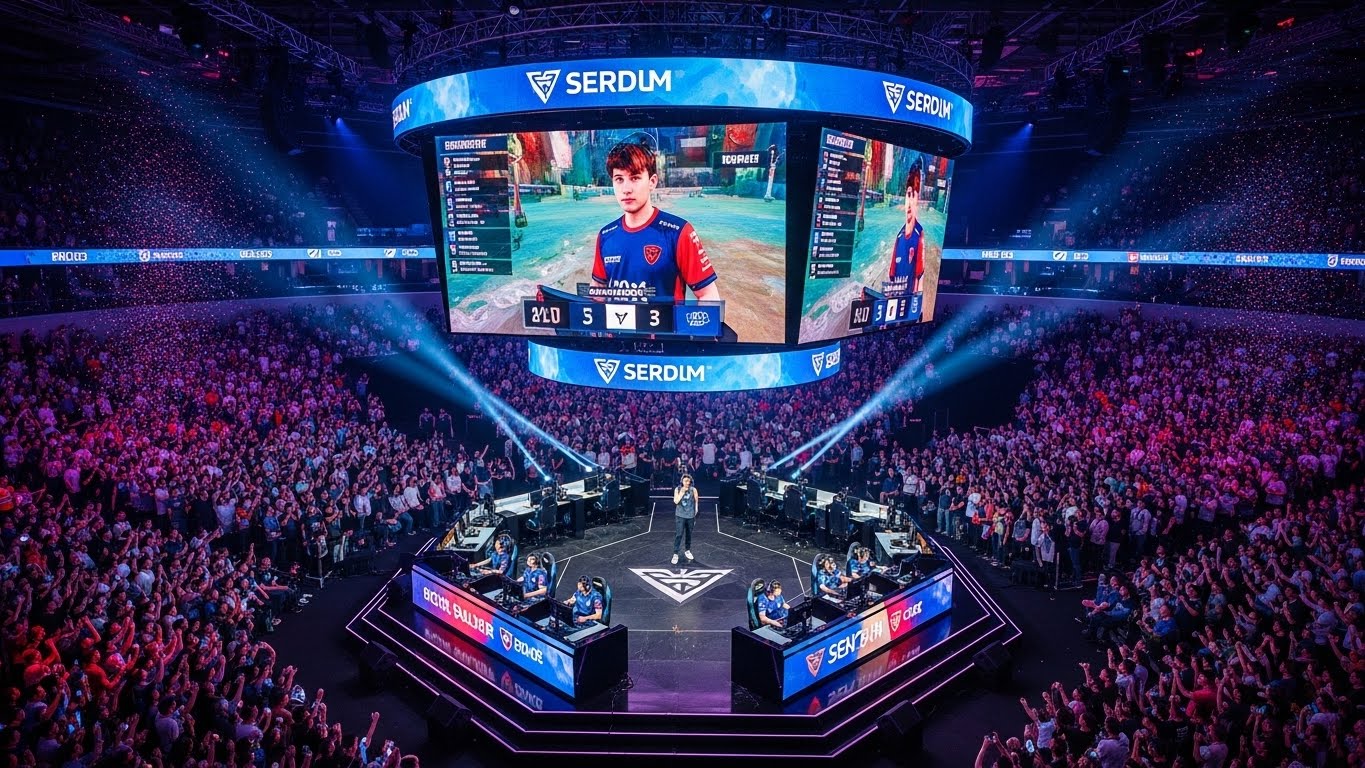
Introduction: The Phenomenal Rise of Esports
Esports, short for electronic sports, has rapidly emerged as one of the most influential and lucrative industries in the world. What began as casual competitions among gamers has evolved into a global phenomenon that attracts millions of fans, generates billions of dollars, and garners mainstream recognition. From sold-out arenas to global streaming platforms, esports has bridged the gap between gaming and traditional sports, offering a new avenue for competitive entertainment. But what makes esports so captivating, and how has it evolved into the powerhouse it is today?
The Evolution of Esports: From Hobby to Industry
The roots of esports can be traced back to the early days of video gaming. In the 1970s, simple arcade games like Space Invaders began to see the emergence of competitive play, albeit in small, informal settings. However, it wasn’t until the late 1990s and early 2000s that esports truly began to take form. Games like StarCraft, Quake, and Counter-Strike were pivotal in transforming competitive gaming into a serious, professional pursuit.
In the early days, tournaments were small-scale events, often limited to local LAN (Local Area Network) parties. But with the advent of faster internet connections, online gaming became more accessible, and the scope of esports grew exponentially. The launch of platforms like Twitch in 2011 revolutionized the industry, allowing fans to stream their favorite players and tournaments in real-time. This marked a turning point, with esports gaining a level of visibility and engagement that rivaled traditional sports.
Esports Today: A Multi-Billion Dollar Industry
Today, esports is a multi-billion-dollar industry. It includes professional leagues, major tournaments, sponsorships, broadcasting deals, and merchandise sales. Esports tournaments often feature massive prize pools, sometimes exceeding tens of millions of dollars. The most prominent games in the esports scene include League of Legends, Dota 2, Fortnite, Counter-Strike: Global Offensive, Overwatch, and Call of Duty. Each of these games has a dedicated player base, complete with professional teams, coaches, analysts, and broadcasters who make the competitions engaging for fans.
What truly sets esports apart from traditional sports is its accessibility. Anyone with a gaming console or a computer can participate, and with online platforms like Twitch and YouTube Gaming, fans can easily follow their favorite teams and players from anywhere in the world. The ease of access has been a major driver of esports’ rapid expansion. Unlike traditional sports, where location, physical ability, and access to training facilities often limit participation, esports offers a level playing field where players can compete without geographic or physical restrictions.
Esports Competitions: The Digital Stage for Global Talent
At the heart of esports is the competitive tournament scene. These events are the pinnacle of a player’s career, where years of practice and teamwork culminate in high-stakes competitions watched by millions of fans worldwide. Some of the most notable esports events include The International (Dota 2), League of Legends World Championship, CS:GO Major Championships, and Fortnite World Cup. These events are held in massive arenas or broadcast online, drawing in large audiences and offering substantial cash prizes.
The format of esports competitions is similar to traditional sports tournaments. Players, either as individuals or as teams, compete in elimination-style brackets, with the ultimate goal of claiming victory and securing the championship title. Teams undergo rigorous training, analyzing gameplay footage, honing individual skills, and perfecting team strategies. The level of dedication required to excel in esports is akin to that of professional athletes, with players dedicating hours each day to practice and preparation.
What makes esports tournaments particularly exciting for viewers is the high level of skill and strategy involved. Just like traditional sports, winning requires a combination of quick reflexes, strategic planning, and mental toughness. In many ways, esports mirrors traditional sports in the intensity of its competition, even if the gameplay itself is digital rather than physical.
Esports and Streaming: Bringing Fans Closer Than Ever
One of the most significant factors in the rise of esports has been the advent of live-streaming. Platforms like Twitch, YouTube Gaming, and Facebook Gaming have revolutionized the way fans engage with competitive gaming. These platforms allow fans to watch tournaments, interact with players, and enjoy live commentary, all in real-time. The accessibility of these platforms has made esports more engaging than ever before.
For fans, live streaming offers an unprecedented level of access to their favorite players and teams. Viewers can watch live games, analyze strategies, and cheer on their favorite competitors, all from the comfort of their homes. This level of engagement has helped esports build a global community, with fans from different parts of the world coming together to support their teams.
Esports streaming also creates opportunities for players and streamers to build their own brands. Many esports players now have significant followings on platforms like Twitch, where they can interact with fans, showcase their skills, and generate income through donations, subscriptions, and sponsorships. This has led to a new wave of professional streamers who are now considered celebrities within the esports community.
The Rise of Esports Careers: From Player to Commentator
With the growth of esports, new career paths have emerged, offering a wide range of opportunities beyond just playing professionally. Some of the most important roles in the esports ecosystem include:
- Pro Players: These are the stars of esports, who dedicate their lives to mastering a specific game and competing at the highest level.
- Coaches and Analysts: Much like traditional sports, esports teams employ coaches and analysts to help players refine their skills, develop strategies, and improve their performance.
- Commentators and Streamers: Esports has its own set of commentators who provide play-by-play commentary during matches. Streamers also play a significant role in engaging fans and providing entertainment.
- Event Organizers: Major esports tournaments require extensive planning and logistics, creating jobs for event organizers, promoters, and production teams.
- Casters and Content Creators: Many esports personalities make a living by creating content, whether it’s analysis videos, vlogs, or highlights of games.
These career paths have made esports an attractive option for young people around the world who aspire to work in the gaming industry. Many universities now offer programs in esports management, coaching, and game development, which is further professionalizing the industry.
Esports and Mainstream Acceptance
While esports has been thriving in the gaming community for years, its acceptance into the mainstream entertainment world has been gradual. Today, esports is gaining recognition from traditional sports organizations, universities, and even the Olympic Games. The inclusion of esports as a demonstration sport in events like the Asian Games in 2018 and discussions about its potential inclusion in the Olympics show just how far esports has come.
Esports’ growing legitimacy is also reflected in its increasing media coverage. Networks like ESPN have begun broadcasting major esports events, bringing the competitions to a wider audience. Additionally, sponsorships from mainstream brands like Coca-Cola, Intel, and Mercedes-Benz have brought a level of corporate validation to the industry. Esports is no longer seen as a niche subculture but as a legitimate form of entertainment, on par with traditional sports.
The Future of Esports: Innovation and Growth
The future of esports looks incredibly bright. With continued advancements in gaming technology, faster internet speeds, and new innovations like virtual reality (VR), esports is likely to evolve even further. VR technology, in particular, has the potential to completely change the way esports are played and watched, offering more immersive experiences for both players and fans.
The industry is also likely to expand into new regions. While esports is already popular in countries like South Korea, China, and the United States, other regions, including Europe, Latin America, and the Middle East, are seeing a surge in esports interest. As internet access improves in these regions, the global reach of esports will only continue to grow.
Conclusion: Esports is Here to Stay
Esports has grown into a global powerhouse, reshaping the world of competitive entertainment. With its massive fanbase, professional leagues, and growing mainstream acceptance, esports has proven that it is much more than just a hobby. It’s an industry that has changed the way we view competition, entertainment, and gaming culture.
Whether you’re a player, a fan, or someone new to the world of esports, one thing is clear: this digital arena is only going to continue growing. Esports is not just the future of gaming; it’s the future of sports itself.