 By esportsstream74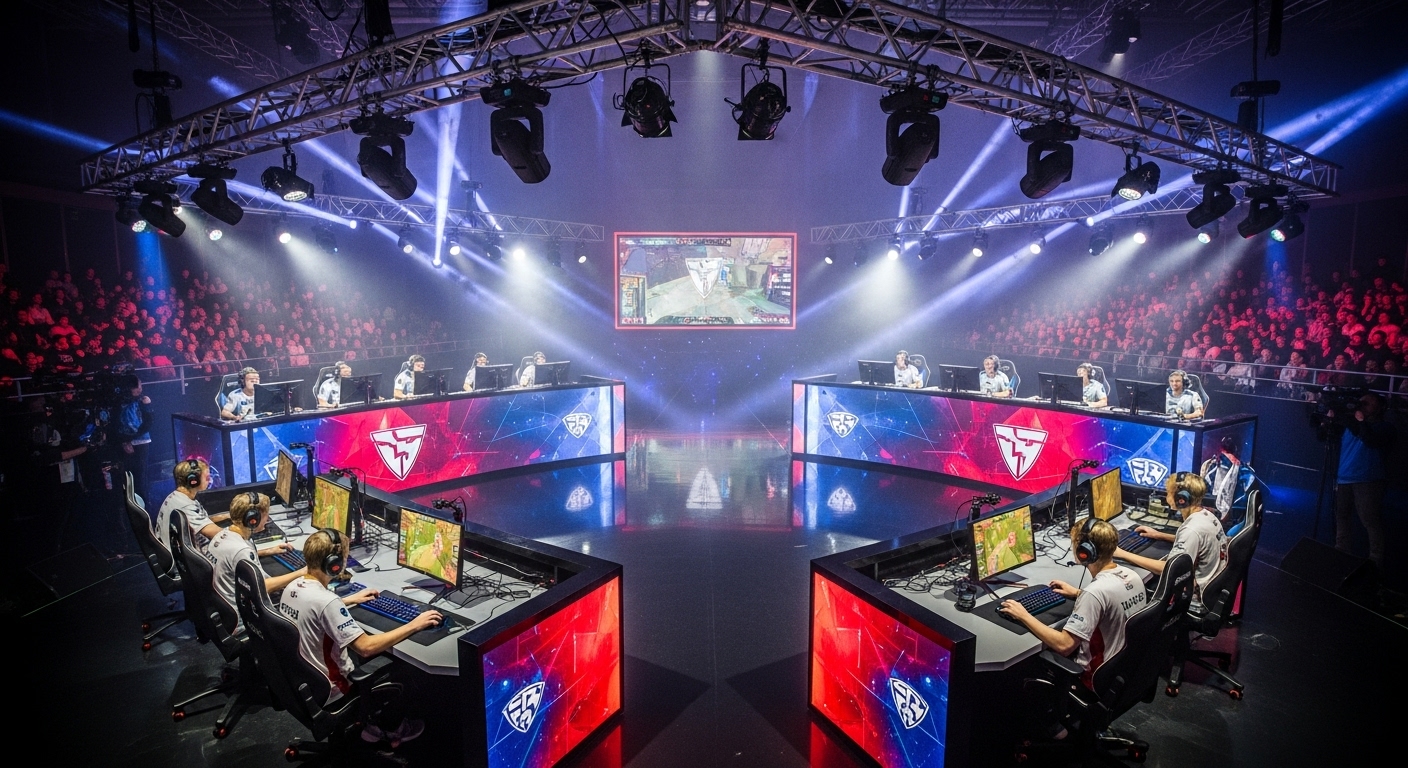
Esports, short for electronic sports, has rapidly evolved from niche hobbyist competitions into a global entertainment powerhouse. It is no longer just about playing video games for fun; it has transformed into a serious industry with professional athletes, teams, leagues, sponsorships, and international tournaments. Today, esports commands audiences that rival traditional sports, offering thrilling experiences for players and spectators alike. The rise of esports reflects technological innovation, cultural shifts, and the growing legitimacy of gaming as a competitive pursuit.
This blog explores the history, evolution, impact, and future of esports, highlighting its cultural, technological, and economic significance.
The Origins of Competitive Gaming
Competitive gaming has roots that stretch back to the late 1970s and early 1980s. Early arcade competitions and high score challenges laid the foundation for organized gaming tournaments. Classic titles like Space Invaders, Pac-Man, and Donkey Kong became the first arenas where players could prove their skill and earn recognition.
The 1980s saw events such as the Space Invaders Championship, which attracted thousands of participants across the United States, showcasing the emerging appeal of competitive gaming. These early competitions created a sense of community among players and highlighted the human desire for mastery, competition, and recognition—elements that would later define professional esports.
The Era of LAN and Online Multiplayer
By the 1990s, competitive gaming began to take on a more structured form. The development of Local Area Networks (LANs) enabled multiple computers to connect in the same location, allowing real-time multiplayer competition. Games such as Quake, Counter-Strike, and StarCraft became central to LAN tournaments, where players competed in physically present arenas, often in front of cheering audiences.
The rise of the internet further accelerated esports growth. Online multiplayer gaming allowed players from different countries to compete without geographical limitations. Titles like Warcraft III, DotA, and early versions of Counter-Strike brought together international communities, creating online ecosystems where competition, strategy, and social interaction thrived. Online leaderboards and rankings added recognition and structure, helping establish the legitimacy of competitive gaming.
Professionalization of Esports
As the popularity of competitive gaming increased, the industry began to professionalize. Teams, leagues, and organizations emerged to support players who wished to pursue gaming full-time. Professional esports athletes started to receive salaries, sponsorships, and other benefits, turning gaming into a viable career.
Major games such as League of Legends, Dota 2, Overwatch, and Call of Duty became pillars of the professional esports scene. Organizations employed coaches, analysts, and support staff to optimize team performance, emphasizing strategy, communication, and mental resilience. The professionalization of esports elevated competition levels, attracted investment, and legitimized gaming as a serious form of entertainment.
The Role of Streaming Platforms
Streaming platforms have played a crucial role in the growth of esports. Services like Twitch, YouTube Gaming, and other live streaming platforms allow players to broadcast matches, interact with audiences, and build personal brands. Streaming transformed esports from niche competitions into mainstream entertainment, providing accessibility and engagement for millions of viewers worldwide.
Streamers not only showcase their gameplay but also create content that educates, entertains, and inspires. Fans can watch professional matches, learn strategies, and engage in community discussions, contributing to the vibrant culture surrounding esports. Streaming platforms have also created opportunities for revenue through subscriptions, sponsorships, and donations, supporting the ecosystem of professional gaming.
Iconic Esports Titles
Certain games have become synonymous with esports due to their competitive depth, popularity, and global reach.
League of Legends
League of Legends (LoL) has been at the forefront of esports for over a decade. With its strategic gameplay, diverse champions, and team-based competition, LoL has become a mainstay in professional tournaments, drawing millions of viewers during events like the World Championship.
Dota 2
Dota 2 is renowned for its complex mechanics and highly strategic gameplay. The annual International tournament features multi-million-dollar prize pools, making it one of the most prestigious events in esports history.
Counter-Strike: Global Offensive
CS:GO is a tactical first-person shooter that emphasizes precision, teamwork, and strategy. Its professional leagues, such as the ESL Pro League, attract top-tier teams and massive audiences globally.
Fortnite
Fortnite popularized competitive gaming for a younger generation with its battle royale format. Its innovative mechanics, frequent updates, and global tournaments have made it a cultural phenomenon.
These games exemplify how esports spans multiple genres, offering something for nearly every type of player and spectator.
Global Esports Tournaments
International competitions are a defining feature of esports. These events bring together players and teams from around the world, creating thrilling spectacles watched by millions.
The League of Legends World Championship and Dota 2 International are prime examples of how esports has grown into a global phenomenon. These tournaments feature high production values, live commentary, expert analysis, and narrative-driven storytelling that engage audiences beyond the gameplay itself.
Prize pools have also grown exponentially. The International 2021 offered over $40 million in prize money, demonstrating both the financial stakes and the professional viability of competitive gaming. Global tournaments foster rivalries, highlight player skill, and provide opportunities for brands and sponsors to connect with highly engaged audiences.
Esports as a Spectator Sport
Esports has transformed the concept of spectating. Unlike traditional sports, esports offers interactive engagement through live chats, community polls, and streaming overlays. Viewers can analyze strategies, predict outcomes, and participate in real-time discussions.
Professional commentary and analysis enhance understanding and excitement, turning complex gameplay into a compelling narrative. Esports spectatorship has become a cultural phenomenon, blending entertainment, competition, and community in a way that traditional sports rarely achieve.
Economic Impact of Esports
The esports industry has become a multi-billion-dollar market, with revenue streams that rival traditional sports. These include:
- Sponsorships and Advertising: Corporations invest heavily in esports to reach engaged, tech-savvy audiences.
- Media Rights: Broadcasting deals provide leagues and tournaments with substantial income.
- Merchandise and Ticket Sales: Fans purchase jerseys, collectibles, and attend live events.
- Streaming and Content Creation: Platforms monetize through subscriptions, donations, and ads.
Esports has created careers beyond competitive play, including coaching, event management, marketing, journalism, and content production. Its economic influence demonstrates the sustainability and growth potential of competitive gaming.
Technology Driving Esports
Technology underpins every aspect of esports. High-performance computers, gaming peripherals, and low-latency internet are essential for competitive play. Data analytics, AI-driven coaching tools, and match analysis software help teams refine strategies and maximize performance.
Advancements in broadcasting technology have also improved live streaming quality, allowing for cinematic production, multiple camera angles, and enhanced visual effects. Emerging technologies such as virtual reality and augmented reality promise to create even more immersive esports experiences for both players and spectators.
The Psychology of Esports
Competitive gaming requires mental resilience, focus, and strategic thinking. Players must maintain high levels of concentration, make split-second decisions, and perform under intense pressure. Team-based games require communication, collaboration, and leadership skills.
Sports psychologists are increasingly working with esports teams to enhance mental performance, manage stress, and prevent burnout. Understanding the psychological demands of competitive gaming highlights its legitimacy as a professional and challenging pursuit.
Diversity and Inclusion in Esports
While esports has traditionally been male-dominated, efforts are underway to increase diversity and inclusivity. Women, LGBTQ+ individuals, and players from underrepresented regions are gaining visibility and recognition.
Inclusive tournaments, mentorship programs, and community initiatives aim to provide equitable opportunities for all players. Increased representation not only enriches competitive ecosystems but also fosters innovation, creativity, and cultural growth within esports communities.
Challenges Facing Esports
Despite its rapid growth, esports faces challenges. Player health, including physical strain, mental fatigue, and repetitive stress injuries, requires attention. Ethical concerns, such as cheating, match-fixing, and doping, threaten the integrity of competition.
Additionally, revenue distribution, regulatory oversight, and accessibility in underdeveloped regions remain ongoing issues. Addressing these challenges is essential for maintaining credibility, sustainability, and long-term growth in the industry.
The Future of Esports
The future of esports is bright and full of innovation. Cloud gaming will make high-quality competitive experiences accessible to anyone with an internet connection. Virtual reality and augmented reality will redefine immersion, creating new formats for gameplay and spectating.
Artificial intelligence will further personalize experiences, assist in coaching, and optimize tournament structures. Global connectivity will expand audiences, while partnerships with traditional sports and media will create hybrid events and cross-industry collaboration.
Esports is poised to continue evolving, blending entertainment, competition, and technology in ways that will redefine global culture.
Conclusion
Esports has grown from arcade competitions and LAN tournaments into a global entertainment industry that rivals traditional sports in viewership, revenue, and cultural impact. Professional leagues, international tournaments, and streaming platforms have transformed gaming into a legitimate career path and spectator sport.
Its influence extends beyond competition, fostering community, creativity, and cultural exchange. With technological innovation, increasing inclusivity, and global reach, esports is not just a passing trend—it is a defining phenomenon of the digital age, reflecting human creativity, skill, and the unifying power of play.
The story of esports demonstrates that gaming has matured into an industry where passion, strategy, and technology converge, shaping the future of entertainment and competitive culture worldwide.