 By esportsstream74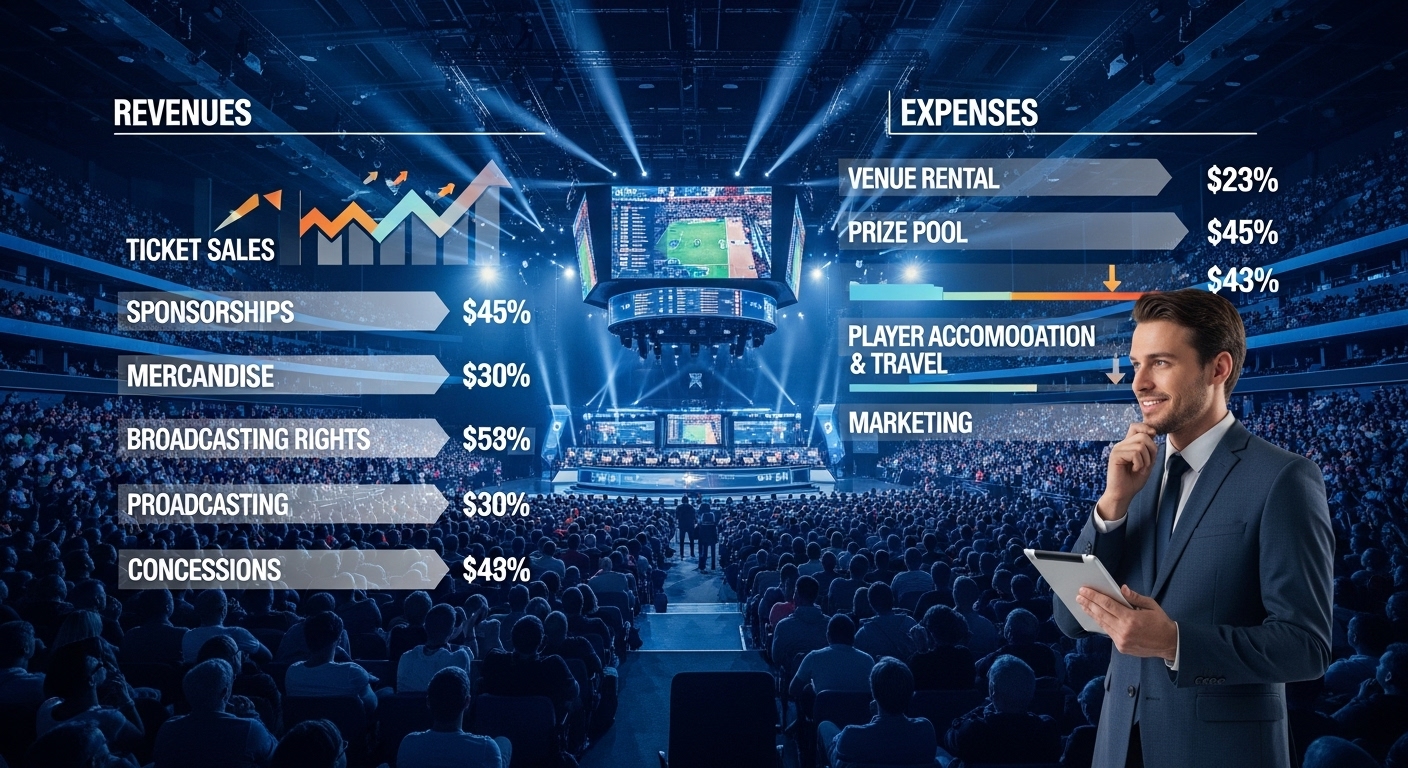
Esports has rapidly transformed from niche LAN parties into a billion-dollar global industry. What was once viewed as a hobby for enthusiasts has now become a professional career path for many, supported by sponsorships, advertising, media rights, and merchandise sales. Just as fans of traditional sports proudly wear the jerseys of their favorite teams, esports enthusiasts are increasingly embracing merchandise to express loyalty, celebrate gaming culture, and feel connected to players and organizations.
In this comprehensive blog post, we’ll dive deep into how merchandise powers the esports ecosystem, exploring everything from jerseys and gaming gear to collectibles, digital skins, and innovative collaborations with fashion and lifestyle brands. We’ll also analyze why merchandise has become a cultural cornerstone in esports and what the future might hold for this fast-growing sector.
1. Why Merchandise Matters in Esports
Merchandise isn’t just about selling clothes or gadgets—it’s about identity, fandom, and revenue. In esports, where audiences are highly digital, merchandise bridges the gap between the online and physical world. It gives fans a tangible way to express their passion for teams, players, and games.
1.1. Revenue Stream for Teams
Esports organizations, much like traditional sports franchises, rely on multiple income streams. Sponsorships and broadcasting rights might bring in the big numbers, but merchandise provides a steady, scalable revenue channel. Jerseys, hoodies, gaming gear, and collectibles create financial independence from sponsorship-heavy models.
1.2. Building Fan Identity
For fans, buying a jersey or hoodie is more than a purchase—it’s a way to represent belonging to a global community. In a fragmented digital space, merchandise gives esports audiences a sense of unity and identity, similar to how football supporters wear scarves or baseball caps.
1.3. Marketing and Visibility
When fans wear esports jerseys or display branded gear, they act as walking billboards for teams. This not only increases visibility but also strengthens brand recognition. Merchandise also helps attract sponsors who want their logos to be seen in everyday settings beyond game broadcasts.
2. Jerseys: The Flagship of Esports Merchandise
If one item defines esports merchandise, it’s the jersey. Team jerseys are iconic, highly visible during matches, and central to esports culture.
2.1. Evolution of Esports Jerseys
In the early 2000s, esports jerseys were simple—basic polos or T-shirts with team names printed on them. As esports grew professional, jerseys became more sophisticated, resembling those of football or basketball teams with sponsor placements, sleek designs, and technical fabrics.
Today, esports jerseys are carefully designed to combine functionality (breathability, comfort for long gaming sessions) with style that appeals to fans. They are as much lifestyle fashion as they are competitive wear.
2.2. Customization and Limited Editions
A growing trend is personalized jerseys—fans can add their gamer tags or names to official team jerseys. Limited-edition releases tied to special tournaments (such as Worlds in League of Legends or The International in Dota 2) also drive hype and exclusivity.
2.3. Collaborations with Fashion Brands
Big-name fashion collaborations have brought esports jerseys into mainstream fashion. For example, Nike has partnered with teams like T1, Adidas with G2 Esports, and Champion with several organizations. These collaborations elevate jerseys into streetwear, blurring the line between sports merchandise and lifestyle fashion.
3. Beyond Jerseys: Expanding the Merchandise Horizon
While jerseys dominate, esports merchandise extends far beyond them.
3.1. Hoodies, T-Shirts, and Streetwear
Hoodies and T-shirts are staples of esports fashion, often outselling jerseys due to their casual appeal. Many teams have moved toward creating streetwear-inspired collections with minimalist branding, stylish cuts, and high-quality fabrics. For example, 100 Thieves has redefined esports merchandise by positioning itself as a streetwear brand first and an esports org second.
3.2. Gaming Gear and Accessories
Esports gear includes peripherals such as branded keyboards, mice, mousepads, and headsets. Teams often partner with hardware manufacturers to release co-branded editions. Fans not only support their favorite organizations but also gain performance-grade gear used by professionals.
3.3. Collectibles and Figurines
Gaming culture is deeply tied to collectibles. Figurines, plushies, and limited-edition memorabilia bring the digital experience into physical form. Riot Games, for example, has a thriving merchandise store featuring League of Legends character statues and plush toys that resonate strongly with fans.
3.4. Posters, Stickers, and Home Décor
From posters showcasing iconic in-game moments to stickers of team logos, affordable items broaden accessibility. These products attract younger fans who might not be able to afford higher-priced jerseys or gear but still want to show support.
4. Digital Merchandise: Skins, NFTs, and Virtual Goods
One unique aspect of esports is its seamless integration with digital worlds. Unlike traditional sports, esports merchandise isn’t limited to physical products.
4.1. In-Game Skins as Merchandise
Many esports titles monetize through in-game skins, which function as digital jerseys. Fans can purchase skins supporting their favorite teams during tournaments. For example, Valve shares a portion of skin sales with Dota 2 teams during The International.
4.2. Digital Collectibles and NFTs
Some esports organizations and publishers have experimented with NFTs and blockchain-based collectibles. While controversial, these offer digital ownership of rare items, such as signed highlights, unique skins, or limited digital art.
4.3. Virtual Experiences
Merchandise can also include virtual meet-and-greet experiences, exclusive content, or fan passes tied to esports events. These digital perks, often bundled with physical items, extend fan engagement.
5. The Business of Esports Merchandise
Understanding the economics behind esports merchandise reveals why it’s such a crucial part of the industry.
5.1. Pricing Strategies
Merchandise pricing in esports is diverse—affordable stickers and keychains appeal to younger fans, while high-end jerseys and gaming chairs target premium buyers. Limited drops with scarcity-based models (similar to sneaker culture) drive hype and secondary market activity.
5.2. Distribution Channels
- Official Online Stores: Most teams run direct-to-consumer online shops.
- Event Pop-Ups: Major tournaments often feature merchandise booths, letting fans buy on-site.
- Retail Collaborations: Partnerships with stores like Uniqlo or Hot Topic expand reach beyond gaming audiences.
5.3. Sponsorship Integration
Sponsors often appear on jerseys and gear. Merchandise thus becomes a secondary platform for sponsor visibility, creating value for brand partners.
6. Merchandise as Culture: Fandom and Lifestyle
Merchandise doesn’t just serve commercial purposes; it shapes culture.
6.1. Expression of Belonging
Wearing a team hoodie signals to others that you’re part of a shared culture. This fosters community bonds both online and offline.
6.2. Crossover with Streetwear and Pop Culture
Esports merchandise often mirrors broader fashion trends. Limited-edition drops, influencer marketing, and celebrity collaborations elevate items into must-have fashion statements.
6.3. Collectors and Superfans
Some esports fans become avid collectors, amassing rare jerseys, autographed gear, and limited-edition items. For these superfans, merchandise is part investment, part passion.
7. Case Studies: Merchandise Success Stories
7.1. 100 Thieves
Founded by former Call of Duty pro Matthew “Nadeshot” Haag, 100 Thieves has built a brand identity closer to Supreme than to traditional sports teams. Their merchandise drops sell out within minutes, proving that esports orgs can thrive as lifestyle brands.
7.2. Fnatic
Fnatic has established a global fanbase through strong merchandise strategies, including collaborations with brands like Gucci for luxury gaming gear. Their balance between high-end and accessible items has set them apart.
7.3. Riot Games’ Worlds Merchandise
Every year, Riot Games releases official Worlds merchandise, from jerseys to hoodies and collectibles. The event-exclusive designs create urgency and excitement, turning merchandise into a seasonal tradition for League of Legends fans.
8. Challenges in Esports Merchandise
While merchandise offers huge potential, it comes with challenges.
8.1. Supply Chain and Scalability
Meeting global demand can be difficult. Delays in shipping, sizing inconsistencies, or poor quality control can harm brand reputation.
8.2. Balancing Exclusivity and Accessibility
Esports merchandise often leans on hype and limited drops. While this drives sales, it risks alienating fans who can’t access items due to price or availability.
8.3. Counterfeiting and Unauthorized Sellers
Counterfeit jerseys and gear are a major problem. Unauthorized sellers exploit esports’ global nature, offering knockoffs at lower prices, which undercuts official merchandise sales.
9. The Future of Esports Merchandise
The merchandise landscape in esports will only grow more diverse and innovative.
9.1. Augmented Reality (AR) and Virtual Try-Ons
As AR technology improves, fans may soon be able to virtually try on esports jerseys before purchasing, enhancing the digital shopping experience.
9.2. Integration with Gaming Platforms
In-game rewards bundled with physical purchases could become standard—for example, buying a team jersey might unlock a matching in-game skin.
9.3. Sustainable Merchandise
Eco-friendly materials and ethical production are becoming increasingly important to younger consumers. Esports brands will likely adopt sustainability to align with fan values.
9.4. Expansion into Mainstream Fashion
More collaborations with major fashion brands will continue to push esports merchandise into the broader fashion ecosystem, making it appealing even to non-gamers.
Conclusion
Merchandise in esports has evolved from simple jerseys into a multifaceted industry blending sports fandom, streetwear culture, gaming gear, and digital innovation. It provides vital revenue, strengthens fan identity, and acts as a cultural bridge between gaming and the wider world.
From jerseys and hoodies to digital skins and luxury collaborations, merchandise is more than just an accessory—it’s a statement of belonging in the ever-expanding universe of esports. As technology advances and esports grows more mainstream, merchandise will continue to play a central role, not just as a business strategy but as an expression of culture, lifestyle, and passion.