 By esportsstream74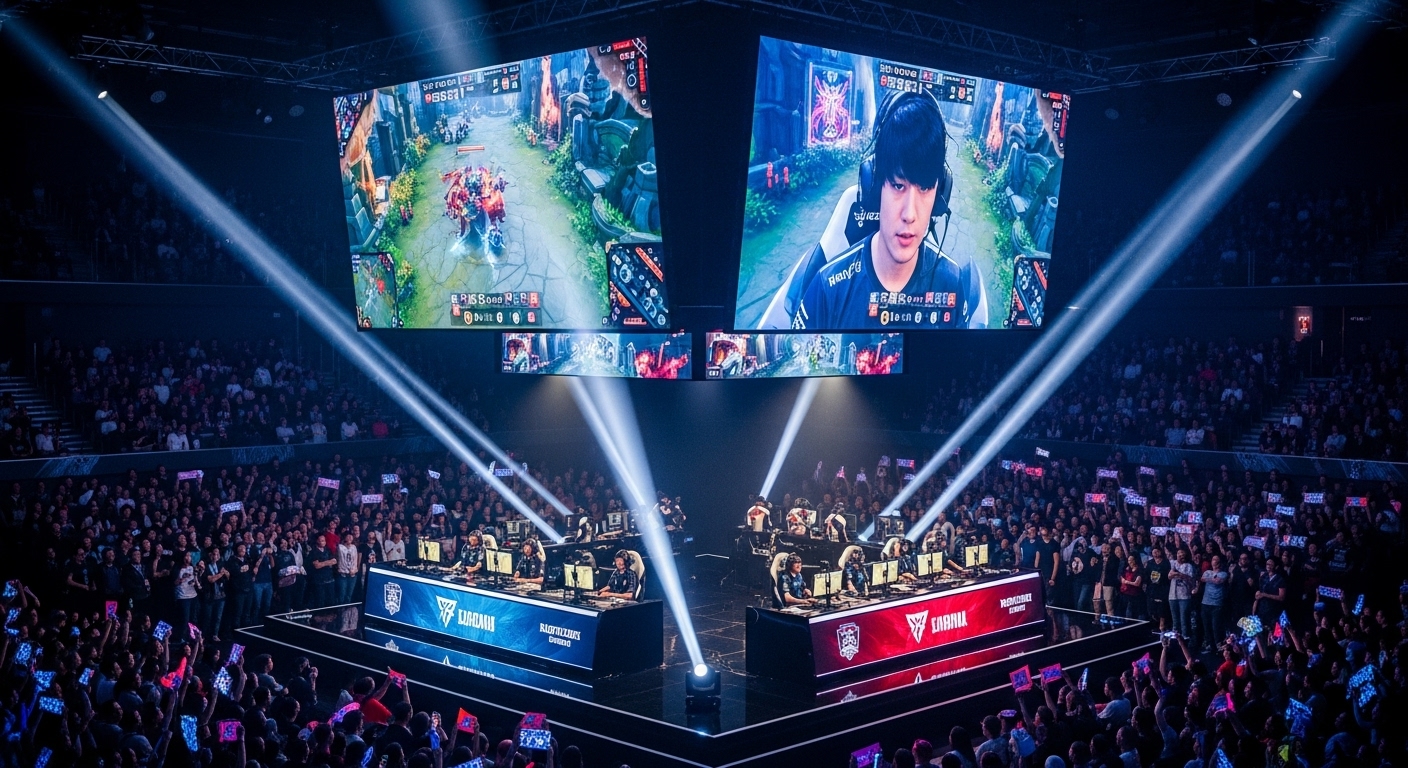
Introduction
Esports, or electronic sports, has experienced an incredible rise in recent years. What began as a niche hobby for passionate gamers has now evolved into a massive, global industry with millions of fans, professional players, and high-stakes tournaments. From massive prize pools and sponsorships to sold-out arenas and millions of viewers, esports is changing the way we view competitive gaming and entertainment. With the advent of streaming platforms, the evolution of gaming technology, and the growing acceptance of gaming as a legitimate career, esports has become a true cultural phenomenon. This blog delves into the rapid growth of esports, its impact on gaming culture, and its future in the entertainment landscape.
The Origins of Esports
Esports may seem like a relatively new concept to some, but its origins can be traced back to the early days of competitive gaming. The idea of people competing against each other in video games dates back to the late 1980s, when arcade games like Space Invaders and Pong were first introduced. However, it wasn’t until the 1990s that competitive gaming began to take shape as a formal industry.
The first major esports tournament was held in 1997, with the Red Annihilation tournament for Quake, which featured a grand prize of a Ferrari. As more games began to incorporate multiplayer functionality, the demand for organized competitions increased. By the early 2000s, major events like the World Cyber Games (WCG) and Electronic Sports World Cup (ESWC) were held, marking the beginning of global esports tournaments. These events helped to solidify esports as a legitimate form of competition and set the stage for the rise of professional gaming.
The Rise of Esports
In the past decade, esports has exploded in popularity. The growth of broadband internet, the rise of multiplayer online games, and the advent of online streaming platforms have all contributed to the surge in esports viewership. Games like League of Legends, Dota 2, Counter-Strike: Global Offensive, and Fortnite have become household names, attracting millions of players and spectators.
Streaming platforms, most notably Twitch, have played a significant role in the expansion of esports. These platforms allow players to stream their gameplay live, creating a direct connection between gamers and their audience. Fans can watch their favorite players in action, engage with them through chat, and even support them with donations. This interaction has helped build a sense of community around esports, with fans cheering on their favorite players, discussing strategies, and sharing content. As a result, esports is no longer just a spectator sport, but an immersive and interactive experience.
The prize pools for esports tournaments have also skyrocketed, with some events offering millions of dollars in winnings. The International (Dota 2) and League of Legends World Championship are among the largest esports events in the world, with prize pools reaching tens of millions of dollars. These tournaments attract not only players and fans, but also major sponsors and media attention, further fueling the growth of esports as a professional industry.
Esports as a Career Path
Perhaps the most revolutionary aspect of esports’ growth is the emergence of professional gaming as a viable career path. In the past, gaming was often viewed as a hobby or a pastime. Today, professional esports players can earn substantial salaries, with top players raking in millions of dollars from tournament winnings, sponsorships, and streaming revenue.
Professional esports players typically belong to teams or organizations that manage their contracts, schedules, and training. These teams operate similarly to traditional sports organizations, with coaches, analysts, and managers working to optimize player performance. Major esports teams like Team Liquid, Cloud9, and FaZe Clan have grown into global brands, attracting sponsorships from major companies such as Red Bull, Intel, and Adidas.
In addition to players, esports has also created a wide range of other career opportunities. Coaches, analysts, broadcasters, content creators, and event organizers all play key roles in the success of esports. The esports industry is vast, and there are now many pathways for individuals to pursue careers in gaming without being professional players themselves. These roles contribute to the growth and development of esports, as well as to the overall esports ecosystem.
Streaming and Fan Engagement
One of the driving forces behind esports’ popularity is the rise of streaming platforms, particularly Twitch and YouTube Gaming. These platforms allow players to stream live gameplay, interact with fans, and build their own personal brands. Streaming has become a key aspect of esports, not only providing a platform for professional players to showcase their skills but also giving fans a direct connection to their favorite players and teams.
The interactive nature of streaming allows fans to engage with players in real time. Viewers can chat with players, participate in live polls, and even donate money to their favorite streamers. This level of engagement has fostered a sense of community among esports fans, who feel more connected to the players they support. As a result, streaming has become an integral part of the esports experience, turning passive spectators into active participants.
In addition to creating a connection between fans and players, streaming has provided a platform for players to build their own brands and generate revenue. Top streamers can earn money through ad revenue, subscriptions, donations, and sponsorships. This has allowed some esports players to transition from competitive gaming to full-time content creation, with many becoming influencers and ambassadors for gaming-related brands.
The Global Esports Community
The esports community is one of the most diverse and passionate in the world. Fans and players come from all corners of the globe, and esports has the power to unite people from different cultures and backgrounds. The global reach of esports is one of its defining features. Players and fans can interact with one another from anywhere in the world, thanks to the internet and online streaming platforms.
Esports fans are known for their loyalty and enthusiasm, often following their favorite teams and players across multiple tournaments and events. Major esports events, such as The International (Dota 2) and the League of Legends World Championship, attract huge audiences both online and in-person. These events are held in massive arenas, with thousands of fans attending to cheer on their favorite players and teams. Esports has also given rise to a new kind of celebrity, with players like Ninja, Shroud, and Faker becoming household names and attracting millions of fans.
The esports community is also highly interactive, with fans discussing strategies, analyzing gameplay, and creating fan content such as memes, art, and videos. Online forums and social media platforms provide spaces for fans to share their passion for esports, as well as to connect with other like-minded individuals. This sense of community is one of the key reasons why esports has become so popular, as fans feel a strong sense of belonging and connection to the larger esports ecosystem.
Esports and Traditional Sports
As esports continues to grow, it is increasingly being compared to traditional sports. While esports may not involve the same physical exertion as traditional sports, it shares many of the same qualities. Both require skill, strategy, and teamwork, and both have dedicated fan bases that support their favorite players and teams. In fact, esports is becoming so popular that it is starting to be recognized alongside traditional sports.
Many traditional sports organizations have begun to invest in esports, recognizing its potential as a growing industry. Teams in traditional sports leagues, such as the NBA and NFL, are now creating their own esports teams and leagues. The NBA 2K League, for example, allows professional gamers to compete in NBA 2K, while FIFA has its own esports tournaments for the FIFA video game series. This convergence between traditional sports and esports is a clear indication that esports is being taken seriously as a form of competition.
Esports is also becoming more integrated into the mainstream entertainment world. Some esports events are now being broadcast on major television networks, and streaming platforms have become key players in the entertainment landscape. As esports continues to grow, it is likely that it will become an even more significant part of the global entertainment industry.
The Future of Esports
The future of esports looks incredibly promising. As technology continues to advance, esports will become even more immersive, with virtual reality (VR) and augmented reality (AR) playing a significant role in the next generation of gaming. VR could allow players to experience esports in a fully immersive environment, while AR could add a new layer of interactivity to live tournaments.
Mobile gaming is also expected to drive the growth of esports in the coming years. Games like PUBG Mobile, Free Fire, and Arena of Valor have already introduced competitive gaming to a wider audience, especially in regions like Southeast Asia, where mobile gaming is incredibly popular. As mobile technology continues to improve, mobile esports is expected to expand, bringing competitive gaming to more players and fans around the world.
Esports will also continue to gain mainstream recognition. As universities and colleges offer esports scholarships and establish competitive gaming programs, esports will become an increasingly legitimate career path for young people. This, in turn, will help fuel the industry’s growth and cement its place as a major player in the global entertainment scene.
Conclusion
Esports has come a long way from its humble beginnings as a niche hobby. Today, it is a global phenomenon, with millions of players, fans, and organizations invested in its success. Esports has transformed the way we think about competitive gaming and has established itself as a legitimate and profitable industry. With the continued growth of streaming platforms, the rise of mobile gaming, and the increasing recognition from traditional sports organizations, the future of esports is bright. As it continues to shape the landscape of modern entertainment, esports will remain at the forefront of the digital revolution, offering new opportunities for players, fans, and professionals alike.