 By esportsstream74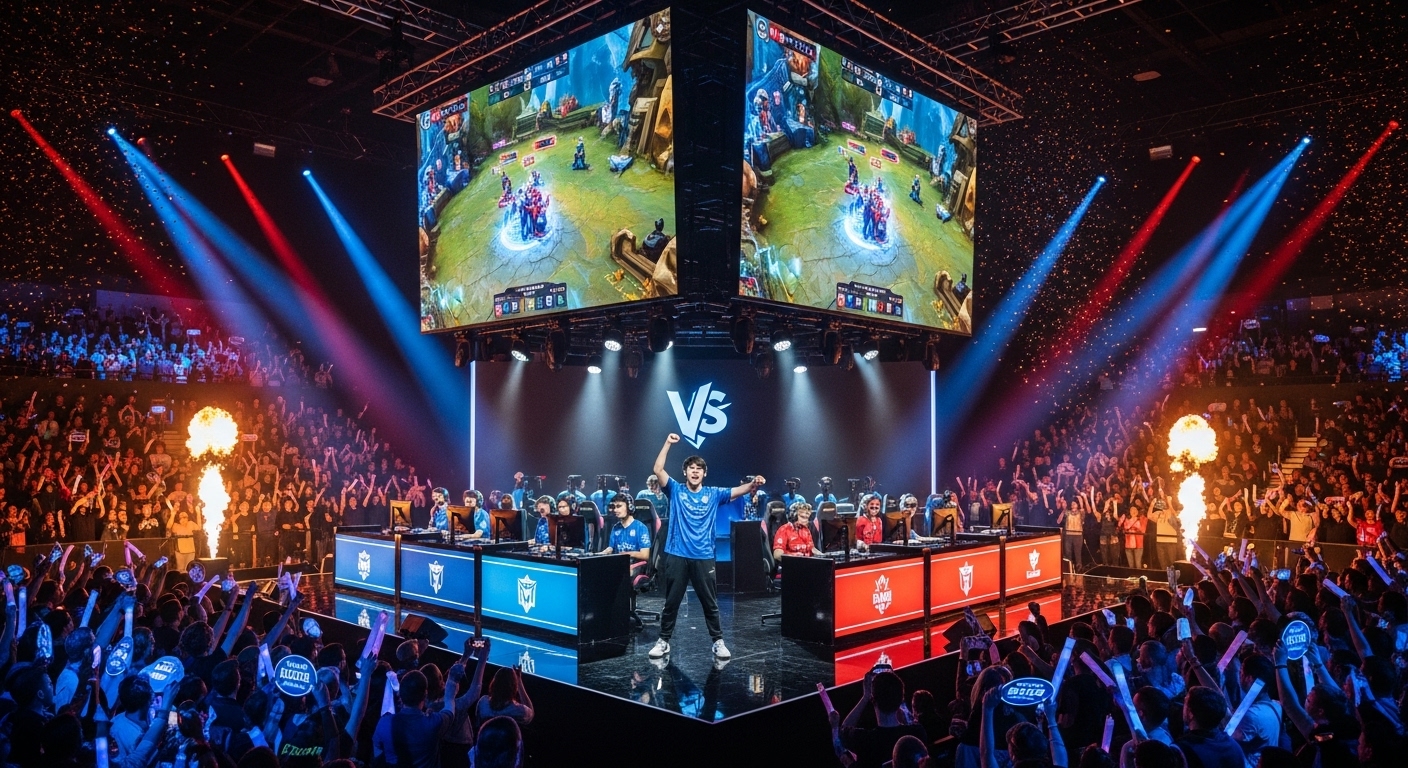
Esports, or competitive video gaming, has emerged as one of the most dynamic forms of entertainment in the 21st century. What was once a niche hobby for a few dedicated gamers has transformed into a global phenomenon, attracting millions of players, viewers, and sponsors. From online tournaments to massive stadium events, esports now rivals traditional sports in popularity, revenue, and cultural impact.
This rapid rise is not just about gaming—it represents a revolution in how people compete, connect, and consume entertainment. Esports blends strategy, teamwork, technology, and performance into a form of competition uniquely suited for the digital era.
The Origins of Esports: From Arcades to Online Arenas
Esports has its roots in the early days of video gaming. In the 1970s and 1980s, arcade machines provided a space for competitive play, where players competed for high scores or local recognition. Games such as Space Invaders and Pac-Man inspired communities of enthusiasts who shared strategies and celebrated achievements.
The 1990s brought the rise of personal computers and LAN (Local Area Network) parties. Players connected their machines to compete in real-time, engaging in titles like Quake, StarCraft, and Counter-Strike. These competitions emphasized precision, teamwork, and strategy, laying the foundation for modern esports.
With the advent of the internet, gaming transformed into a global phenomenon. Online multiplayer games enabled players to compete across continents, and streaming platforms allowed spectators to watch matches live. This global connectivity marked the beginning of esports as a professional and highly organized industry.
The Professionalization of Esports
Today, esports is a professional industry with organized leagues, salaried players, coaches, and team management. Unlike casual gaming, professional esports requires rigorous training, strategic planning, and high levels of focus. Players often dedicate eight to twelve hours a day to practice, analyzing gameplay and refining strategies to maintain a competitive edge.
Popular esports titles such as League of Legends, Dota 2, Call of Duty, and Fortnite host tournaments with prize pools ranging from hundreds of thousands to millions of dollars. Professional players not only earn salaries but also receive sponsorship deals and endorsement opportunities, elevating them to the status of digital celebrities.
Teams operate much like traditional sports franchises, employing coaches, analysts, and support staff to optimize performance. This professionalization demonstrates how esports has matured into a legitimate career path for talented players worldwide.
The Cultural Impact of Esports
Esports is more than just competition; it has become a cultural phenomenon. Unlike traditional sports, esports is highly inclusive, allowing players of various genders, ages, and physical abilities to participate and excel. This inclusivity has helped build global communities united by a shared passion for gaming.
Streaming platforms have amplified esports culture. Fans can watch professional players, learn strategies, and interact with both content creators and other spectators in real-time. This engagement transforms viewers from passive consumers into active participants, creating a vibrant, interactive community.
Esports has also influenced mainstream culture. Celebrities, traditional athletes, and musicians participate in gaming events, bridging the gap between digital and traditional entertainment. Gaming culture now permeates fashion, music, and social media, reflecting its growing role in contemporary youth identity.
The Economics of Esports
Esports has grown into a billion-dollar industry with diverse revenue streams. Sponsorships, media rights, merchandise, ticket sales, and streaming subscriptions all contribute to its financial success. Major global brands invest in esports to reach highly engaged, tech-savvy audiences.
Sponsorships fund tournaments, provide equipment, and support teams in exchange for brand visibility. Streaming platforms generate revenue through subscriptions, advertisements, and fan donations, creating financial opportunities for players and organizers. Live events attract thousands of attendees, offering immersive experiences that combine gaming, entertainment, and community engagement.
Merchandising, including team apparel, gaming peripherals, and collectibles, fosters fan loyalty and generates additional income. This multifaceted business model demonstrates the economic power of esports and its ability to compete with traditional sports leagues.
The Life of a Professional Esports Player
Being a professional esports player requires discipline, skill, and resilience. Unlike casual gamers, professionals must maintain peak performance through hours of daily practice, strategic study, and team coordination. Physical fitness and mental health are critical, as long hours of gameplay can affect posture, vision, and stress levels.
Players often work with coaches and analysts to review gameplay, develop strategies, and study opponents. Mental toughness is equally important, as players must handle pressure from fans, sponsors, and team management. The lifestyle of a professional esports player combines rigorous training with the need for adaptability, focus, and continuous improvement.
Esports in Education
Esports has made its way into schools and universities, where it is recognized as a legitimate extracurricular activity and career path. Academic programs and scholarships are now available, allowing students to pursue higher education while developing competitive gaming skills.
Educational initiatives in esports teach teamwork, leadership, communication, and critical thinking—skills that are valuable both in gaming and in broader professional contexts. Students can also explore careers in game development, broadcasting, management, and digital content creation, preparing them for opportunities within the growing esports ecosystem.
Global Tournaments and the Competitive Spirit
Esports tournaments are high-profile events, often attracting millions of viewers and offering substantial prize pools. Competitions like The International, the League of Legends World Championship, and the Fortnite World Cup showcase elite players and strategies, creating global spectacles of digital skill.
The competitive nature of esports mirrors traditional sports. Players demonstrate reflexes, strategy, teamwork, and adaptability under pressure. Fans celebrate victories, analyze gameplay, and participate in a shared digital culture. These events also boost local economies through tourism, merchandise sales, and media coverage, highlighting esports’ significance beyond the gaming community.
Technology and Esports: A Symbiotic Relationship
Technology drives esports at every level. High-performance hardware, fast internet connections, and advanced software are essential for competitive play. Graphics cards, processors, and specialized peripherals enable players to perform at their best.
Streaming and broadcasting technology have made esports accessible worldwide, allowing fans to watch live matches with interactive features. Analytics and artificial intelligence are used to study player performance, identify trends, and optimize strategies, making technology integral to both competition and viewer experience.
Emerging technologies such as virtual reality and cloud gaming promise even more immersive esports experiences in the future, blending digital and physical interactions in ways previously unimaginable.
Challenges in Esports
Despite its growth, esports faces challenges. Health concerns, including eye strain, repetitive motion injuries, and mental fatigue, affect professional players. Burnout and stress are common issues that require attention from teams and organizations.
Standardization and regulation are ongoing challenges. Unlike traditional sports, esports lacks a centralized governing body, resulting in inconsistent rules, contracts, and tournament management. Ethical concerns, including cheating and match-fixing, also require vigilance and enforcement.
Perception remains another hurdle. While esports is gaining legitimacy, some audiences still question whether it qualifies as a “real” sport. Addressing these challenges will be crucial to the continued growth and sustainability of the industry.
The Future of Esports
The future of esports is bright and full of potential. Virtual reality, augmented reality, and AI-driven gameplay will enhance both competition and viewer engagement. Integration with traditional sports and mainstream media will expand audiences and sponsorship opportunities.
Inclusivity will continue to improve, with growing participation from women, diverse cultures, and various age groups. This ensures that esports remains a global and representative industry.
As esports matures, it will influence digital culture, professional careers, and entertainment trends. It will continue to create new opportunities for innovation, education, and social interaction, making it a defining phenomenon of the digital age.
Conclusion: Esports as a Modern Cultural Force
Esports has evolved from a small community of gamers into a global industry that shapes entertainment, technology, and culture. It combines skill, strategy, teamwork, and technology in a way that is uniquely suited to the digital era.
From local arcade competitions to massive international tournaments, esports exemplifies the potential of digital culture to create professional opportunities, foster global communities, and entertain millions. It is more than just a game—it is a movement, a career path, and a cultural force.
The rise of esports demonstrates that the future of competition is digital, interactive, and global. It continues to redefine what it means to play, watch, and engage in a connected world. Esports is here to stay, shaping the way we experience competition and entertainment for years to come.