 By esportsstream74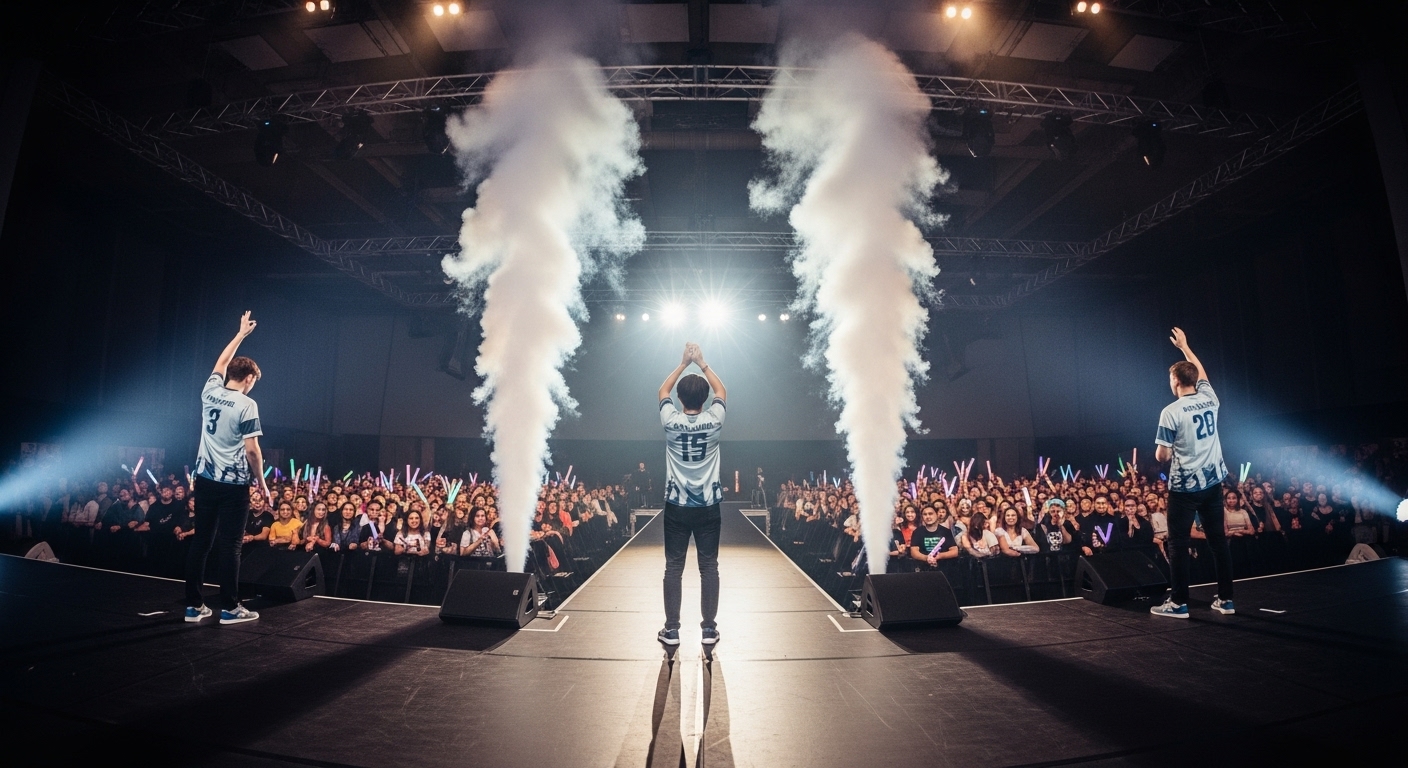
In recent years, esports, the competitive world of video gaming, has evolved from a niche hobby to a massive global industry. What started in the early 2000s as small gatherings and online tournaments has blossomed into one of the most lucrative and culturally significant sectors of entertainment. With millions of fans tuning in from around the world, lucrative sponsorship deals, and stadiums filled with enthusiastic audiences, esports has firmly planted itself as a mainstay of modern entertainment.
But the journey hasn’t always been easy, and the esports landscape is constantly evolving. This blog will explore the history of esports, its cultural impact, the business behind the industry, and the future potential of competitive gaming. Let’s dive into the fascinating world of esports.
The Birth of Esports: From Arcade Competitions to Online Tournaments
Esports has its origins in the 1970s and 1980s, when competitive gaming was often limited to arcade machines. These early competitions were not large-scale events, but they sparked an interest in competitive gaming. One of the earliest examples was the 1972 game “Space Invaders Championship,” where players competed for the highest score on the arcade machines. However, it wasn’t until the late 1990s and early 2000s that esports began to take a more organized shape.
In the late 1990s, games like Starcraft and Warcraft became central to competitive gaming. These games required strategic thinking, teamwork, and a deep understanding of mechanics, making them ideal candidates for esports tournaments. The launch of the World Cyber Games (WCG) in 2000 marked a significant turning point. The WCG provided a global platform for gamers to compete, attracting players from different countries to battle it out for fame and fortune.
While these early competitions were a sign of things to come, the real turning point occurred when high-speed internet became more widely available. The ability for gamers to play with and against people from all over the world without leaving their homes created a new era for competitive gaming. Online tournaments were born, and the esports community began to thrive on a global scale.
The Growth of Esports: Early 2000s to the 2010s
The 2000s and 2010s saw a rapid increase in the popularity and visibility of esports. Major tournaments like the Intel Extreme Masters (IEM), Electronic Sports World Cup (ESWC), and DreamHack began to shape the competitive landscape. These events were broadcast online, and they started to build an audience beyond just the players and their immediate friends.
One of the most influential games in this period was League of Legends, released by Riot Games in 2009. It quickly became the most popular multiplayer online battle arena (MOBA) game in the world, and its competitive scene exploded. Riot Games played a pivotal role in fostering esports through its proactive approach to supporting professional leagues, creating a long-term structure for players and teams. The League of Legends World Championship became one of the biggest esports events globally, attracting millions of viewers online and in stadiums.
The 2010s also saw the rise of Dota 2, Counter-Strike: Global Offensive, Overwatch, and Hearthstone—all games with robust competitive communities and major tournaments. The International, the annual Dota 2 tournament, grew into one of the most lucrative esports events in the world, with its prize pool regularly reaching tens of millions of dollars.
One of the key drivers behind the growth of esports during this time was the emergence of streaming platforms like Twitch and YouTube Gaming. These platforms allowed viewers to watch live competitions and follow their favorite players and teams. Twitch, in particular, became a central hub for esports content, and its success helped solidify esports as a serious entertainment industry. Professional gamers and streamers began to make a living through sponsorships, donations, and ad revenue, further legitimizing the career path of competitive gaming.
Esports as a Cultural Phenomenon
Beyond the growth of the industry itself, esports has had a profound cultural impact. Competitive gaming is no longer just for “gamers” or “nerds.” It has become a mainstream activity that transcends age, gender, and geography. In many parts of the world, esports has been embraced by youth culture, and it has become a way for individuals to connect with others, share experiences, and build communities.
One of the most significant cultural shifts in the esports world has been the recognition of professional gamers as celebrities. Players like Faker (Lee Sang-hyeok), Ninja (Tyler Blevins), and Shroud (Michael Grzesiek) have amassed massive followings, both online and offline. These figures are not just gamers—they are influencers, with millions of followers on social media, collaborations with major brands, and appearances in mainstream media.
Esports has also provided a platform for diversity and inclusivity. Female gamers, LGBTQ+ players, and players from all backgrounds have found a welcoming space in the esports community. While the industry still faces challenges when it comes to gender equality and harassment, there have been increasing efforts to make esports a more inclusive space for all. Female-only tournaments and organizations like Women in Games aim to encourage and support women in competitive gaming.
The Business of Esports
As esports grew in popularity, so did its financial appeal. Esports is now a multi-billion-dollar industry, and its revenue streams are diverse. One of the largest sources of revenue for esports organizations and tournaments comes from sponsorships. Major companies like Coca-Cola, Intel, Red Bull, and Nike have invested heavily in esports, seeing the value in aligning their brands with gaming and its audience.
Broadcasting rights have also become a significant revenue stream. Platforms like Twitch, YouTube, and even traditional TV networks like ESPN have started to air major esports events, reaching millions of viewers. In 2020, the League of Legends World Championship garnered over 100 million viewers, highlighting the global appeal of esports and its potential for advertisers.
The rise of esports teams has also been an essential part of the business ecosystem. Organizations like Team Liquid, Cloud9, and Fnatic are household names within the esports community. These teams not only compete in tournaments, but they also manage rosters of players, coaches, analysts, and support staff. They sign sponsorship deals, sell branded merchandise, and build fan bases similar to traditional sports teams.
The esports market also includes a growing pool of investors, including venture capitalists, private equity firms, and even celebrities. In recent years, esports teams and leagues have attracted substantial investments from high-profile figures such as Michael Jordan, Drake, and A-Rod. This influx of investment is helping to professionalize the industry and bring it to new heights.
The Impact of Esports on Traditional Sports
One of the most interesting aspects of the rise of esports is its relationship with traditional sports. In many ways, esports has filled a void left by traditional sports, especially among younger generations. The high levels of accessibility—players can compete from the comfort of their own homes—combined with the global nature of the tournaments, have made esports a more inclusive and welcoming alternative to traditional sports.
Traditional sports leagues and teams have taken notice of the growing esports scene, and many have entered the space. For instance, professional basketball teams like the Golden State Warriors and Philadelphia 76ers have invested in esports teams and leagues. Major football clubs like Manchester City and Paris Saint-Germain have also created esports divisions to tap into the gaming market.
In some ways, esports has become a complementary form of entertainment for traditional sports fans. The crossover between sports and gaming has become evident, as many traditional athletes have embraced gaming as a pastime, sharing their love for esports with their followers. The NFL’s partnership with Madden NFL esports tournaments and the NBA’s investment in the NBA 2K League showcase the increasing integration of esports into the traditional sports ecosystem.
The Future of Esports
As the esports industry continues to grow, the future looks incredibly bright. Analysts predict that esports will surpass traditional sports in terms of revenue and viewership in the coming decades. The increasing popularity of mobile gaming, the rise of VR and AR technologies, and the continued growth of online streaming platforms all point to a future where esports becomes an even more central part of our entertainment landscape.
In terms of professionalization, we can expect to see more formal leagues, stricter regulation, and an even greater push for diversity and inclusion. Esports may even find its way into the Olympic Games in the future, as many have suggested that esports could be recognized as a legitimate sport on a global scale.
One of the most exciting possibilities for the future of esports is the potential for new types of gameplay and experiences. With advancements in artificial intelligence and virtual reality, esports could evolve into something even more immersive and interactive. Players could find themselves competing in fully immersive digital environments, where the line between reality and the game world becomes blurred.
Conclusion
Esports has come a long way since its humble beginnings in the 2000s. Today, it is a global phenomenon that has changed the way we think about competitive sports, entertainment, and culture. With billions of dollars at stake, an ever-growing fan base, and increasing mainstream recognition, esports is here to stay.
As the industry continues to mature, we can only expect more exciting developments, innovations, and milestones to come. Whether you are a casual viewer, a professional player, or someone looking to get into the scene, there has never been a better time to be a part of the esports community. It’s an exciting time for competitive gaming, and the future looks brighter than ever.