 By esportsstream74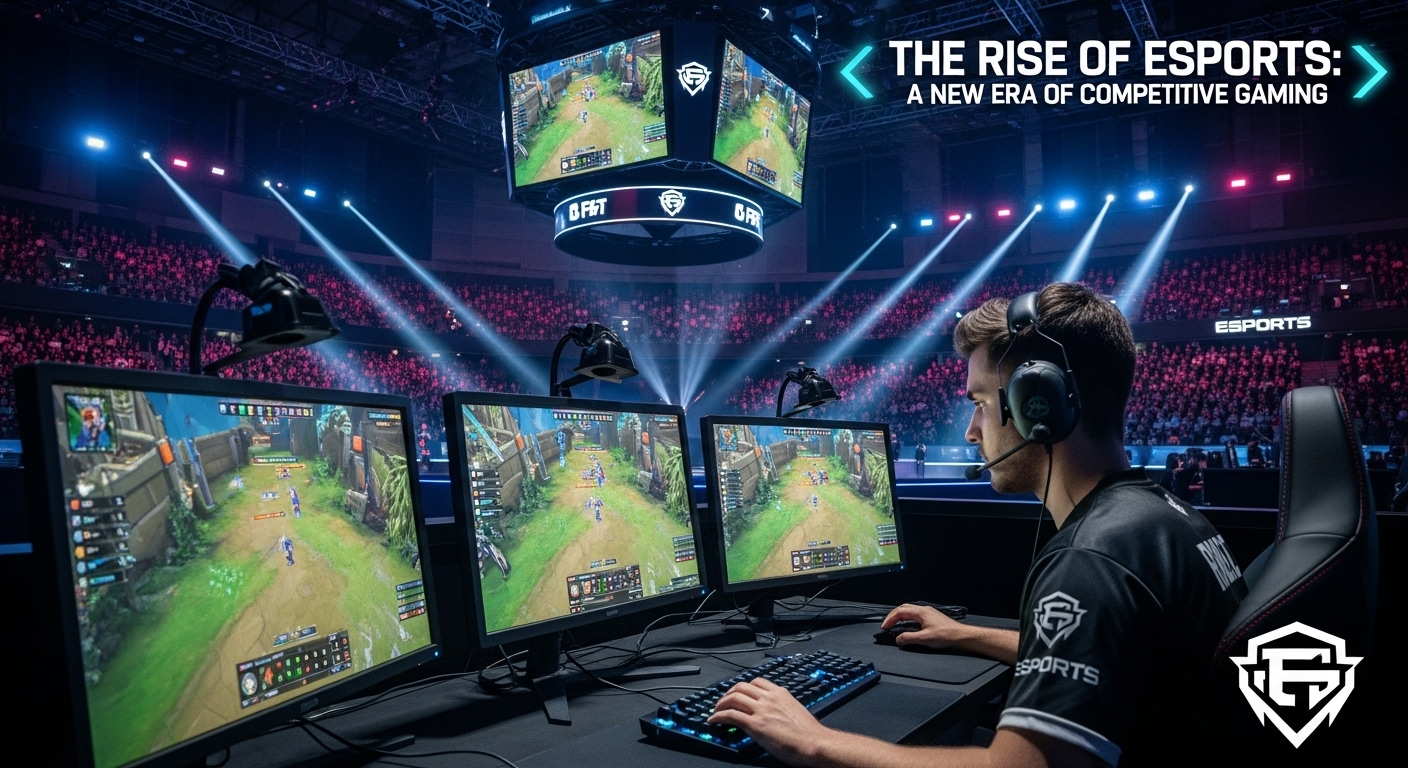
In the past two decades, the world of entertainment has undergone a massive transformation. From traditional sports and television to streaming platforms and online gaming, audiences today consume content in ways that were once unimaginable. One of the most fascinating and fastest-growing sectors in this digital age is esports. Once considered a niche hobby, competitive gaming has evolved into a global phenomenon that rivals traditional sports in viewership, sponsorship, and cultural influence. Esports is not just about gaming; it is about competition, strategy, teamwork, and community. It has created new careers, industries, and a fresh definition of what it means to be an athlete.
The Origins of Esports
Esports did not appear overnight. Its roots trace back to the early days of video gaming in the late 20th century. The first recognized gaming competition took place in 1972 at Stanford University, where students competed in the game “Spacewar.” The prize was nothing more than a subscription to a magazine, but the event marked the birth of organized competitive gaming. Throughout the 1980s and 1990s, arcade tournaments and console competitions began to attract small but dedicated audiences. Games like “Street Fighter,” “Mortal Kombat,” and “StarCraft” became early symbols of competitive play.
The late 1990s and early 2000s brought the internet revolution, transforming multiplayer gaming into an online experience. LAN parties evolved into online tournaments, and players could now compete globally without being in the same physical space. Titles like “Counter-Strike,” “Warcraft III,” and “Quake” became cornerstones of early esports culture, building the foundation for what was to come. During this period, esports began to gain legitimacy, especially in South Korea, where televised “StarCraft” matches turned gamers into national celebrities.
The Explosion of Online Gaming
As technology improved and broadband internet became widespread, esports rapidly expanded. Online gaming allowed players from different continents to compete in real-time. Platforms such as Battle.net, Xbox Live, and later Steam and PlayStation Network made gaming more accessible than ever before. Around this time, competitive gaming began to professionalize. Teams formed, sponsors took interest, and tournaments began offering substantial prize pools.
By the late 2000s, esports had transformed into a structured industry. The rise of streaming platforms such as Twitch, YouTube, and later Facebook Gaming revolutionized how fans interacted with the games and players they loved. Instead of reading about tournaments or watching short clips, fans could now experience live competitions from their homes, with commentary, replays, and player insights. Streaming gave esports the same kind of reach that television had long provided for traditional sports.
The Role of Streaming Platforms
Streaming was a game-changer for esports. Before live broadcasting became mainstream, esports events struggled to reach large audiences outside of specific gaming circles. Twitch, launched in 2011, became the hub for gaming enthusiasts worldwide. It allowed players, teams, and tournaments to connect with fans directly, breaking down barriers between professional players and viewers. The rise of content creators and influencers also helped drive esports into mainstream culture.
Millions of people now tune in daily to watch live streams of their favorite games, whether it’s “League of Legends,” “Dota 2,” “Fortnite,” or “Valorant.” The accessibility of streaming has helped esports grow faster than almost any other entertainment industry. Major tournaments such as “The International,” “League of Legends World Championship,” and “Fortnite World Cup” now attract millions of live viewers, often surpassing the viewership numbers of traditional sporting events like baseball or hockey championships.
The Professionalization of Esports
The professional structure of esports has evolved to mirror that of traditional sports. Players are now signed to contracts, teams have management staff, and organizations employ coaches, analysts, and psychologists. Players often practice for eight to ten hours a day, refining their reflexes, communication, and strategies. The level of skill required to compete professionally is extraordinary, often involving years of dedication and discipline.
Top players and teams have become celebrities in their own right. They earn income not only through tournament winnings but also through sponsorships, endorsements, and streaming revenue. Companies like Nike, Red Bull, and BMW have entered the esports market, recognizing the vast audience reach and cultural relevance of competitive gaming. The line between gaming and mainstream entertainment continues to blur as esports integrates with pop culture, music, and media.
The Growth of Esports Tournaments
One of the defining features of esports is its massive tournament ecosystem. Unlike traditional sports, which are often organized by governing bodies, esports is structured around game publishers and event organizers. Each major title has its own competitive circuit. For instance, “Dota 2” has The International, “Counter-Strike” has the Majors, “League of Legends” has its annual World Championship, and “Call of Duty” has its own professional league.
The prize pools for these tournaments have reached unprecedented levels. The International, hosted by Valve Corporation, consistently offers tens of millions of dollars in prizes, funded through in-game purchases made by the community. This community-driven funding model showcases the deep connection between players, fans, and developers. The largest esports events now fill stadiums around the world, from Los Angeles to Shanghai, with fans waving team banners and chanting for their favorite players just like in traditional sports arenas.
Esports as a Career
For many young gamers, esports represents a legitimate career path. The rise of professional organizations, sponsorships, and collegiate esports programs has made it possible for talented individuals to pursue gaming full-time. Universities around the world now offer esports scholarships, and countries like South Korea, China, and the United States have built training facilities dedicated to developing elite players.
However, like any competitive field, success in esports requires more than just passion. Players must possess strategic intelligence, quick reflexes, mental endurance, and a deep understanding of the games they play. They also face challenges such as burnout, pressure, and short career spans due to the intense nature of the competition. Despite these hurdles, esports offers a range of opportunities beyond playing — including careers in coaching, broadcasting, event management, and game design.
The Globalization of Esports
Esports has become a truly global industry. What began as localized tournaments in small gaming communities has turned into a worldwide network of competitions and leagues. Asia, particularly South Korea and China, remains a dominant force, producing some of the best players and teams in the world. North America and Europe have also established strong esports ecosystems, with professional leagues, franchises, and media coverage rivaling traditional sports.
Regions such as the Middle East, South America, and Africa are now emerging as new hotspots for esports growth. With the increasing accessibility of internet infrastructure and mobile gaming, these regions are producing a new generation of competitive players. Esports has transcended language and culture, creating a universal space where people from all backgrounds can connect through their shared love of gaming.
The Role of Technology in Esports Advancement
Technology has always been the driving force behind the rise of esports. From high-performance gaming PCs and monitors to advancements in graphics and network speeds, the evolution of hardware and software has made esports more immersive and competitive. The introduction of cloud gaming, virtual reality, and augmented reality promises to redefine the gaming experience even further.
Artificial intelligence and data analytics are also playing a significant role in esports. Teams use data-driven strategies to analyze opponents, optimize gameplay, and improve decision-making. This analytical approach mirrors that of traditional sports, where statistics and performance metrics have long been used to gain a competitive edge. As technology continues to evolve, so too will the possibilities for esports.
The Business of Esports
Esports is now a billion-dollar industry. It encompasses not only gaming tournaments but also sponsorships, advertising, merchandise, and media rights. Major corporations are investing heavily in esports organizations, while traditional sports teams and celebrities are purchasing stakes in gaming franchises. The business potential is enormous, driven by a young and engaged audience that consumes digital content at record rates.
Brands view esports as a gateway to reach millennials and Gen Z audiences who prefer online entertainment over television. Sponsorship deals, branded content, and influencer partnerships have become key marketing strategies. Additionally, the sale of in-game items, digital collectibles, and event tickets contributes significantly to the overall economy of esports.
Esports and Education
An interesting development in recent years is the integration of esports into educational institutions. Many schools and universities have recognized the value of esports as both a learning and career-building opportunity. Programs are designed to teach not only gaming skills but also teamwork, leadership, communication, and digital literacy. Some schools even have dedicated esports arenas where students can train and compete.
This educational movement is changing perceptions about gaming, showing that esports can promote critical thinking, strategy, and technological fluency. It also provides a pathway for students to enter related industries such as broadcasting, marketing, and software development.
The Social Impact of Esports
Beyond entertainment, esports has had a profound social impact. It fosters global connections, inclusivity, and collaboration. Gamers from different countries can play together, learn from each other, and form friendships that transcend borders. Esports has given people a sense of belonging and identity, particularly for those who may not have fit into traditional sports or social settings.
Moreover, esports has become a tool for charity and awareness campaigns. Many tournaments and streamers organize fundraising events for social causes, using their platforms to make a positive difference. The gaming community, despite occasional controversies, has demonstrated its ability to unite for meaningful purposes.
Challenges Facing Esports
While the growth of esports has been remarkable, the industry faces several challenges. Issues such as player burnout, mental health, and the lack of standardized regulations remain major concerns. Because esports spans multiple games and organizations, there is no central governing body, leading to inconsistencies in rules and structures.
Another issue is financial sustainability. Not every esports organization is profitable, and many depend heavily on sponsorship revenue. Additionally, cheating, match-fixing, and toxic behavior continue to be problems that need addressing through stricter policies and better community management. Ensuring fair play and player welfare will be crucial for the long-term stability of the industry.
The Future of Esports
The future of esports is bright and full of possibilities. As technology advances and global interest grows, esports will continue to expand into new territories and genres. The rise of mobile esports, for example, is reshaping the landscape, making competitive gaming accessible to millions of smartphone users worldwide.
Virtual reality and augmented reality will bring new dimensions to competitive play, creating immersive experiences that blend physical and digital environments. Esports could even become a regular feature in global sporting events, such as the Olympics, as discussions about its inclusion continue. The future will also see greater integration between esports and traditional media, with documentaries, films, and television shows exploring the lives of players and teams.
Conclusion: A Digital Revolution in Competition
Esports has transformed from a small subculture into a global powerhouse of entertainment, competition, and innovation. It represents the merging of technology, creativity, and human skill in a way that defines the modern era. For millions of fans, esports is not just about watching games—it is about community, ambition, and shared passion.
As we move forward, the boundaries between the digital and physical worlds will continue to blur. Esports is not a passing trend; it is a cultural and economic movement that has redefined how we perceive sports, media, and technology. The story of esports is still being written, and its next chapter promises to be even more extraordinary.